Irakleia: Architecture, Place and the Value of Listening
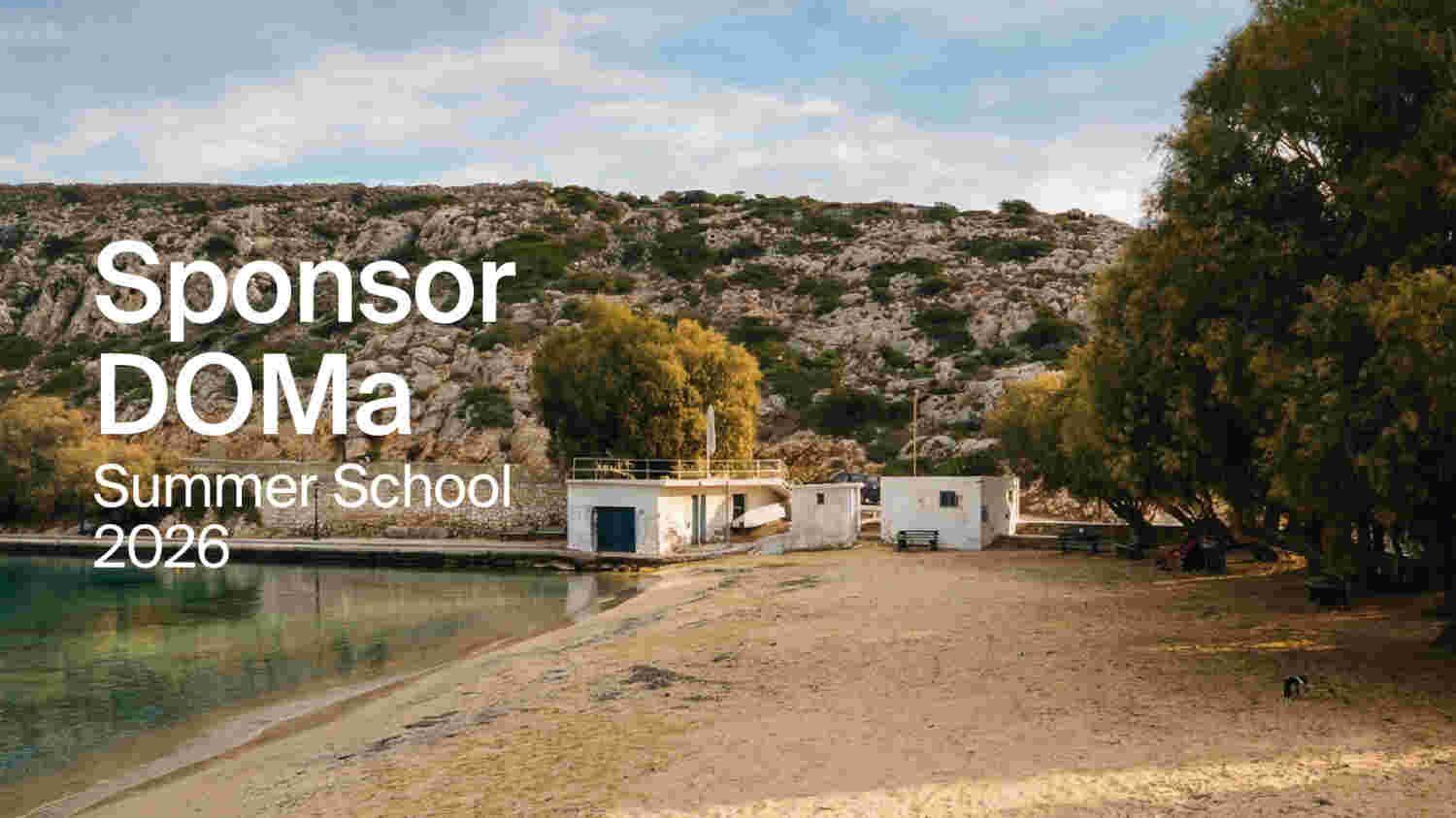
Some places are reached only after a long journey. Irakleia is one of them.
Nestled in the Small Cyclades, the island became the setting for this year’s DOMa Summer School—a workshop that invited architecture students to explore an alternative way of thinking about design. Here, the journey itself became part of the learning experience, encouraging participants to slow down, observe and engage deeply with their surroundings before imagining architectural interventions.
Unlike many islands that have gradually surrendered to overdevelopment, Irakleia remains remarkably untouched. As part of the Natura 2000 protected network, its landscape is home to Posidonia seagrass meadows, Mediterranean monk seals (Monachus monachus), loggerhead sea turtles (Caretta caretta) and countless other species that define the fragile ecology of the Small Cyclades. The absence of large-scale tourism, luxury resorts—and perhaps most strikingly, the absence of swimming pools—feels almost radical today. It is a reminder that development can take different paths, and that preserving a place can be just as meaningful as transforming it.
This year’s workshop, curated by Florian Summa and Anne Femmer of SUMMACUMFEMMER, embraced exactly that way of thinking.
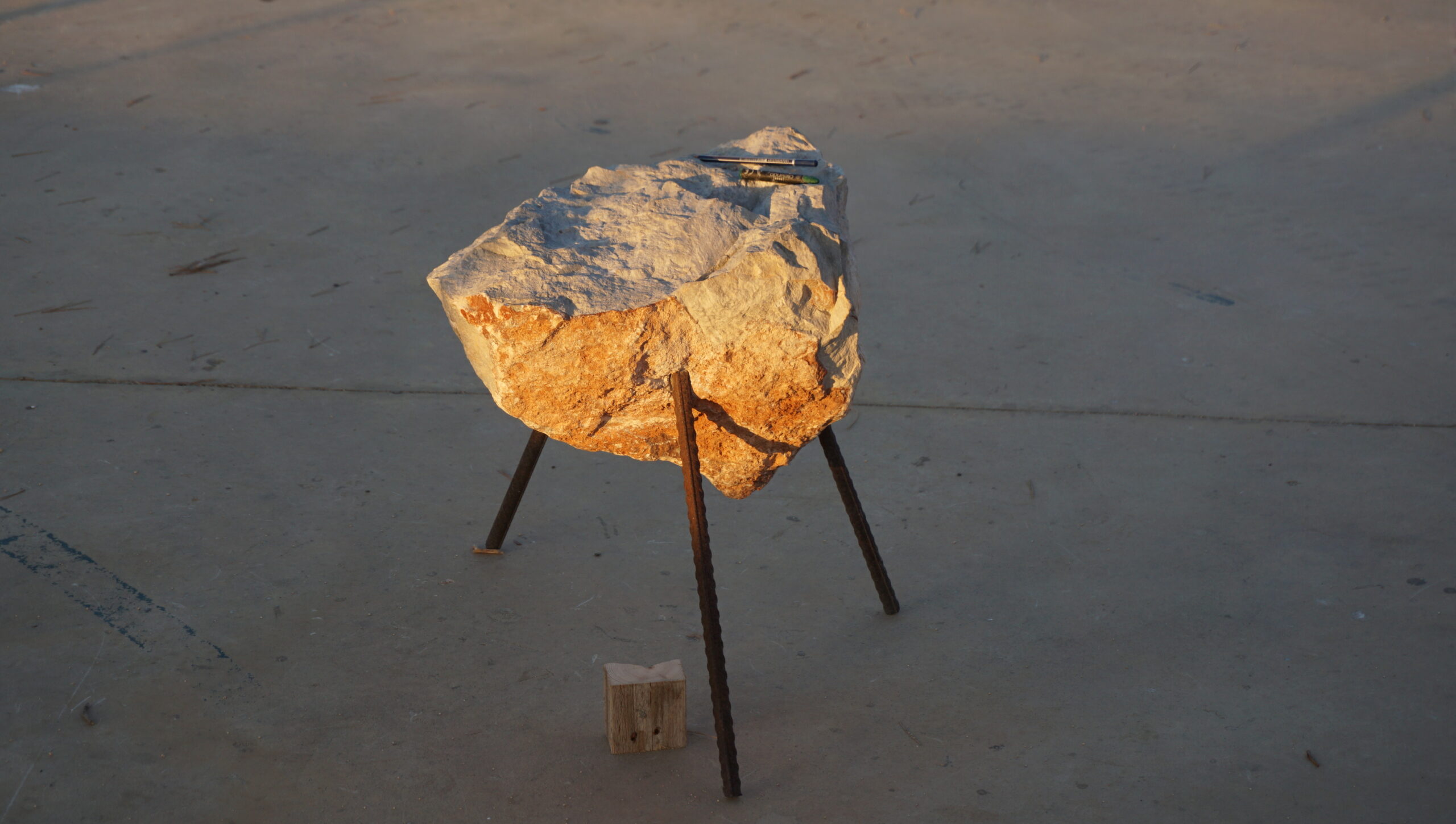
Rather than arriving with predetermined solutions, the tutors encouraged participants to begin by observing. Walking through the village, speaking with residents and understanding everyday routines became the foundation of the design process. The resulting installations were intentionally modest in scale—temporary public interventions that responded to local conditions while respecting the island’s identity and character.
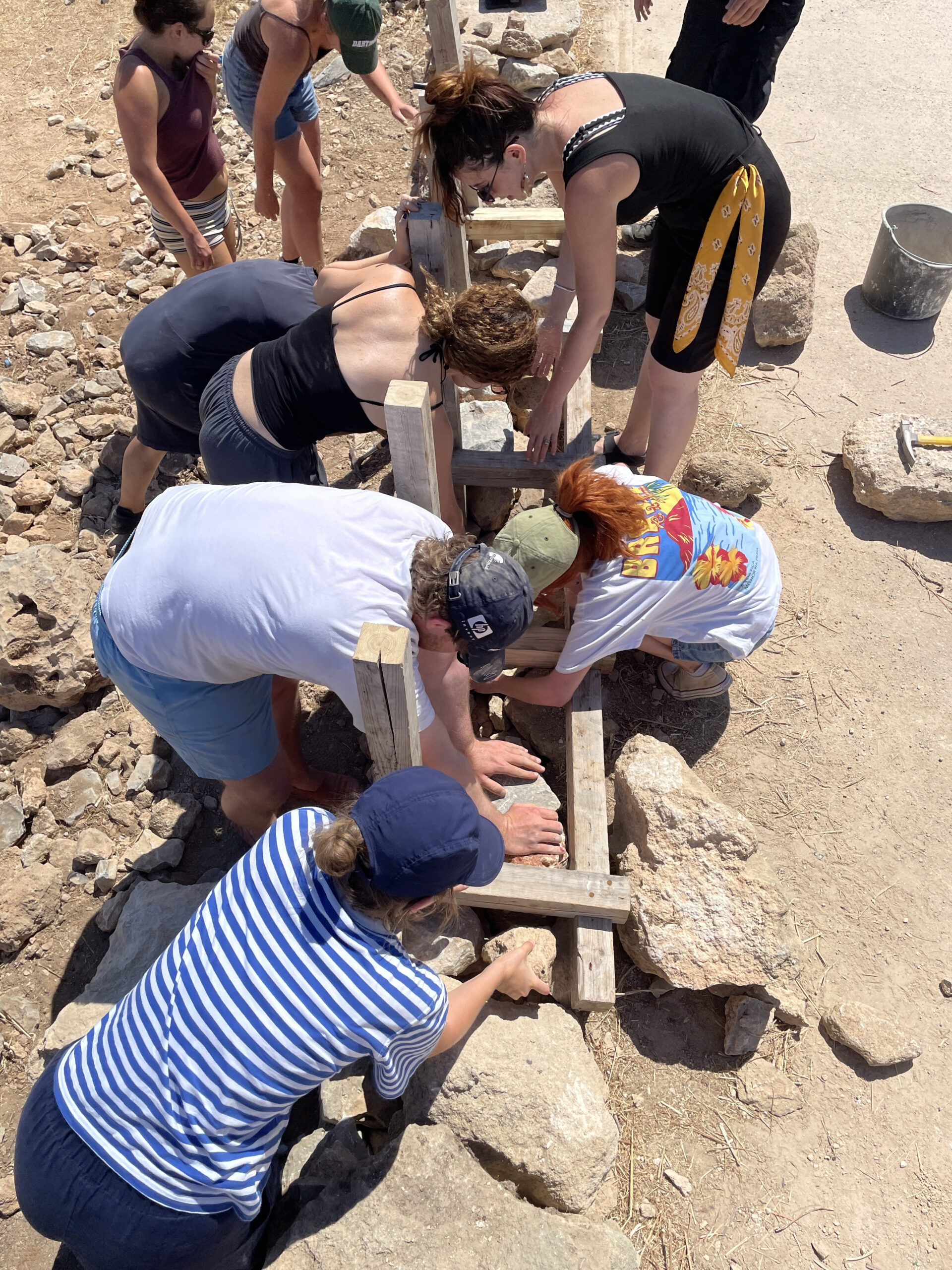
SUMMACUMFEMMER‘s approach offered an inspiring example of architecture rooted in process rather than object. Local stone, reclaimed timber and traditional construction techniques were not treated as nostalgic references but as active design tools. Making became a form of research, where craftsmanship, experimentation and collaboration shaped each intervention. Every detail reflected an architecture that grows from its context rather than imposing itself upon it.
For ORAMA, supporting initiatives such as the DOMa Summer School reflects a broader commitment to architectural culture, education and thoughtful design. We believe that meaningful architecture emerges through careful observation, respect for materials and an understanding of place—values that resonate deeply with our own approach to creating minimal architectural frames.
Beyond the installations themselves, the workshop fostered a meaningful exchange between tutors, students, organisers and the local community. It demonstrated that architecture is not only about constructing spaces, but also about building relationships, sharing knowledge and creating opportunities for dialogue.
The week concluded with a celebration that brought everyone together one final time. Against the backdrop of the Aegean sunset, music, conversation and shared experiences marked the end of a week defined by generosity, collaboration and collective learning.