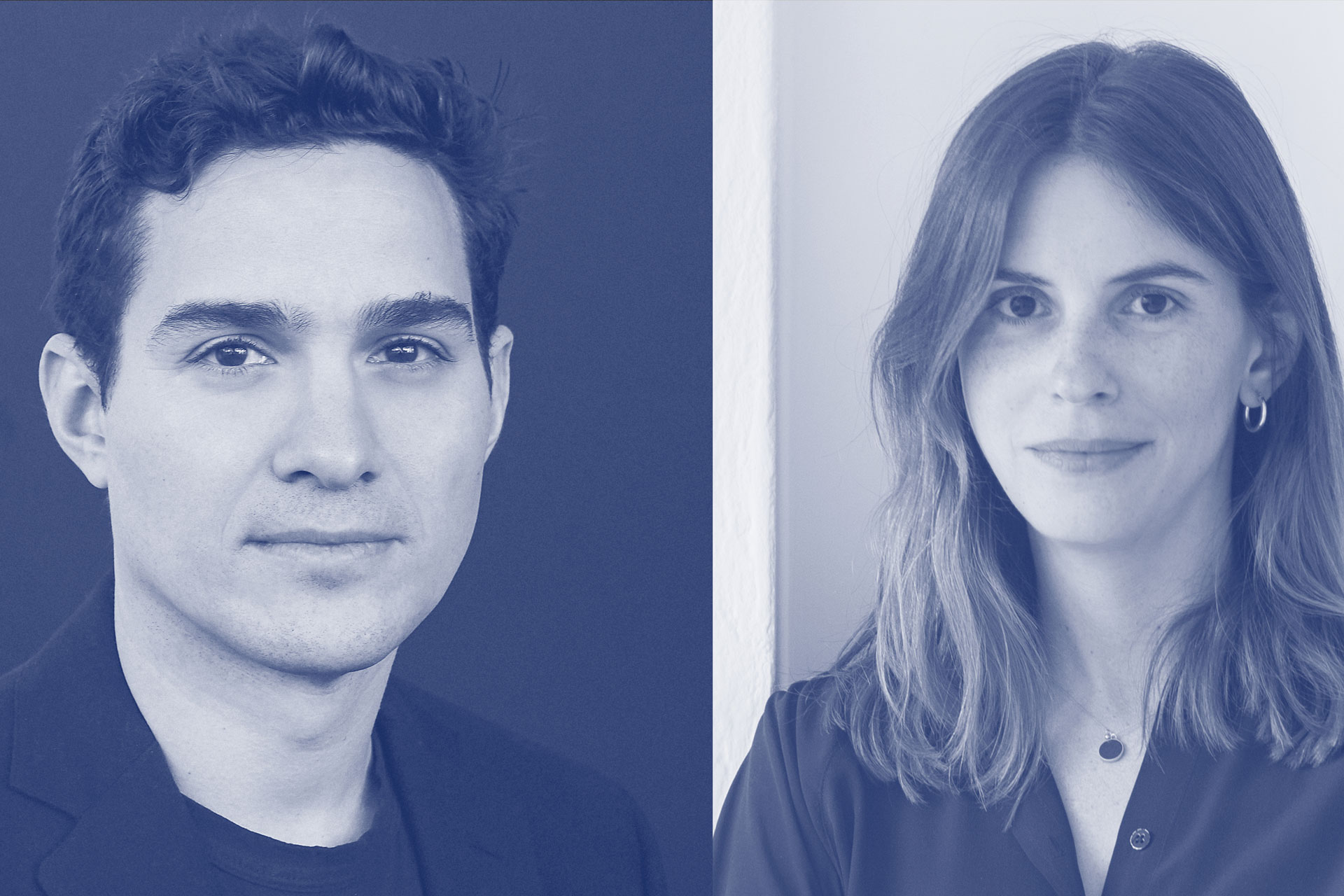
Category: The Visionaries

#10 BAAD Studio, Philippines

For BAAD Studio, being a visionary is not about grand gestures. It’s about being in tune with people, the environment, the materials and the rhythms that shape everyday life.


Architects Benjee Mendoza and An Bermejo-Mendoza founded BAAD Studio in 2010, allowing the practice to grow naturally as opportunities came their way. “We built BAAD Studio in 2010, and we’re grateful that its beginnings were organic. The studio grew naturally, shaped by demand, and guided by our capacity and capabilities at every stage,” An recalls.


Today, BAAD Studio is known for its thoughtful and context-driven approach,  a philosophy shaped by the climate, culture, and lived realities of the Philippines.

In this edition of THE VISIONARIES, they reflect on how this approach informed the celebrated DL House, the first home in the Philippines to install Orama Minimal Frames back in 2018, and how tropical architecture continues to evolve across Southeast Asia.


Designing with Climate, Context, and People


For BAAD Studio, good design begins with people and is anchored firmly in place. “Good design is something ­­that resonates with the client’s vision, how they see themselves in a space for the next decade or two or three, which should always work within a tropical climate, and should reflect the context of where it belongs.

In the Philippines, a country shaped by heat, humidity and the unpredictability of typhoons, design cannot simply be beautiful, It must perform. “Climate responsiveness is not an option. We’ve always known and experienced that great architecture doesn’t matter when it was built or where it was built. Always resonates within its place, reacts towards its conditions and really performs under weather, especially harsh weather such as in the Philippines in Southeast Asia.”

For An, this relationship between structure and environment must always be symbiotic: “It’s about creating a balance, one where people, place, and climate are all closely connected.”

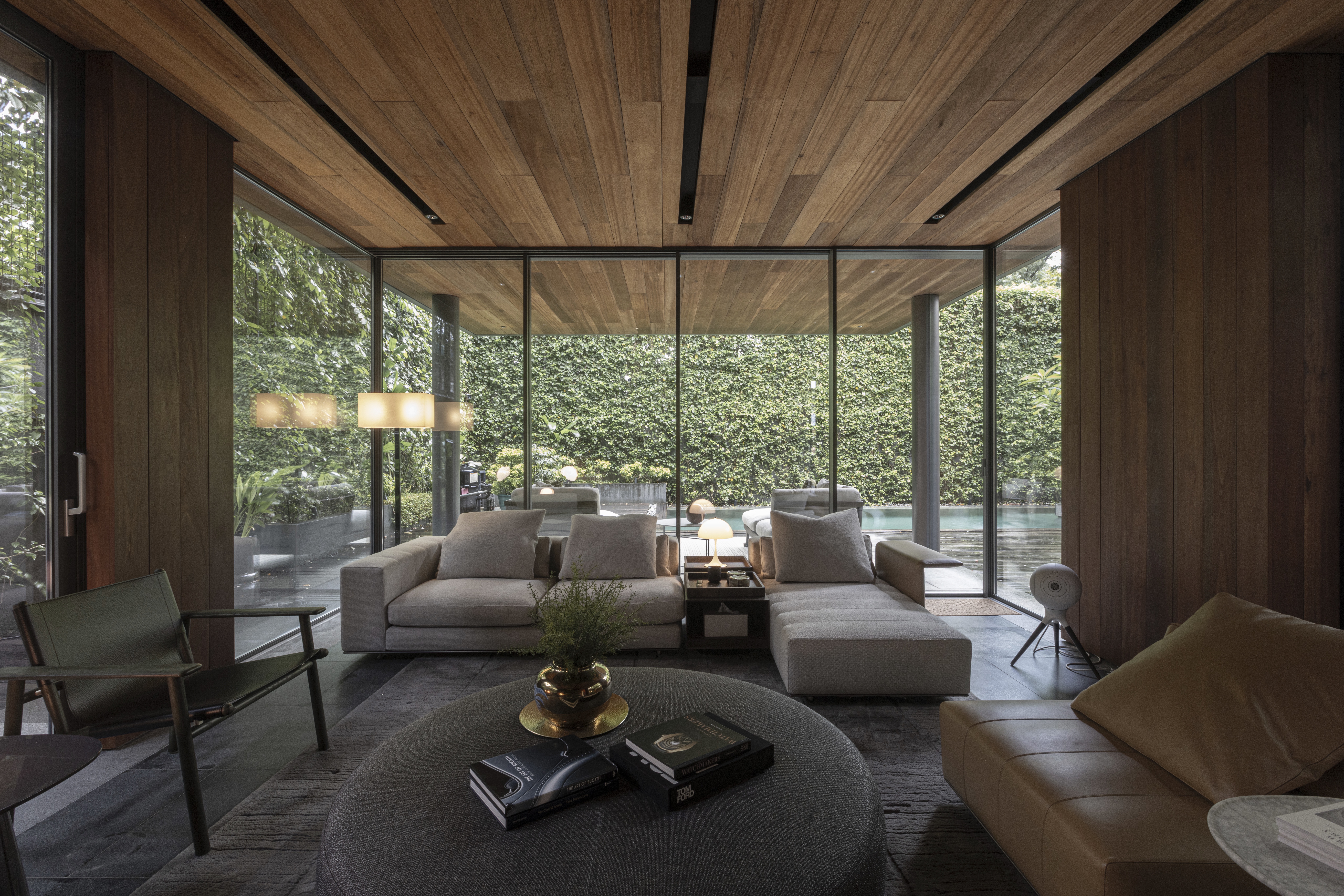
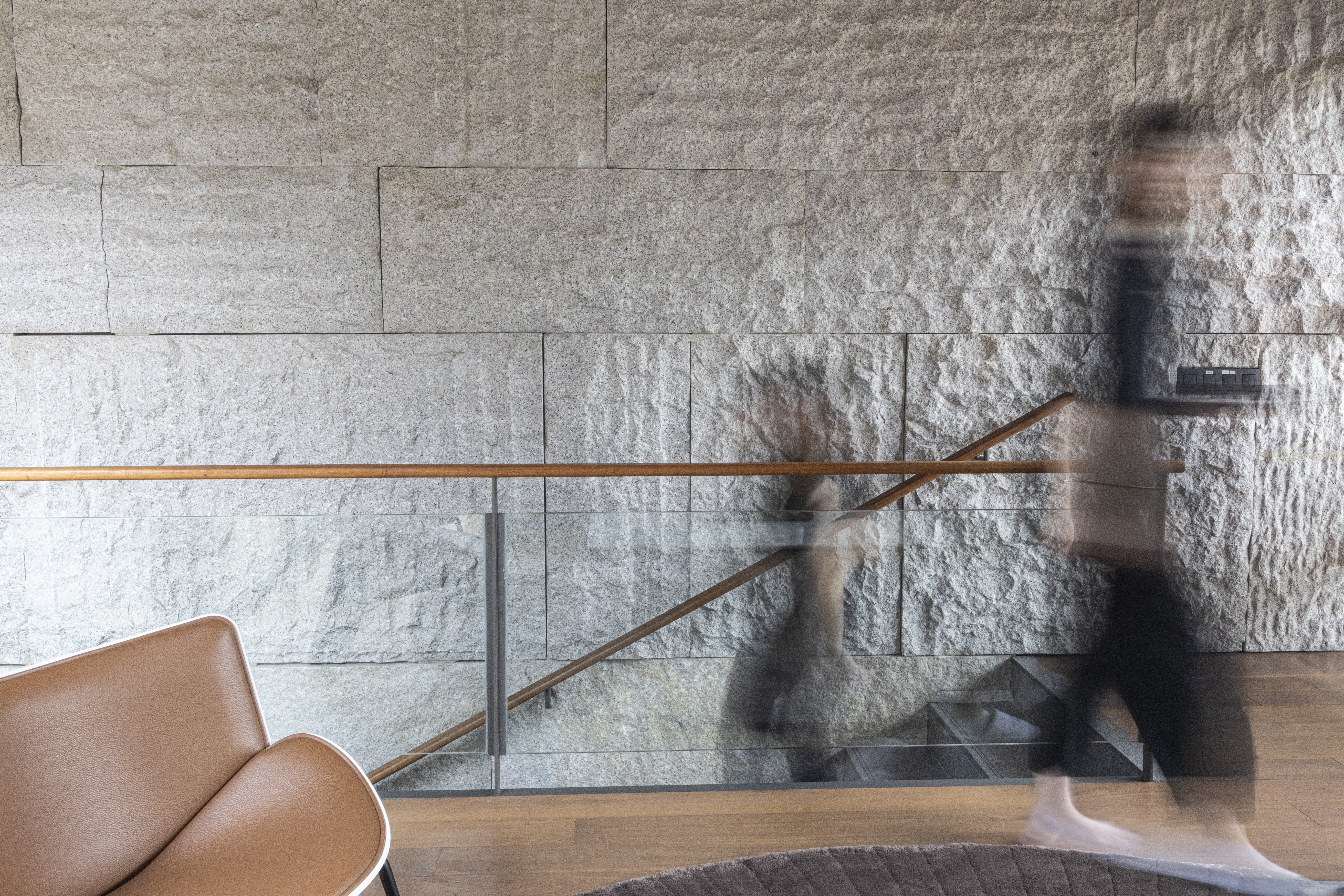
The owner’s main interest was to incorporate hardwood from his own collection and focus on natural materials


DL House: A Home Shaped by Light, Air, and Natural Materiality


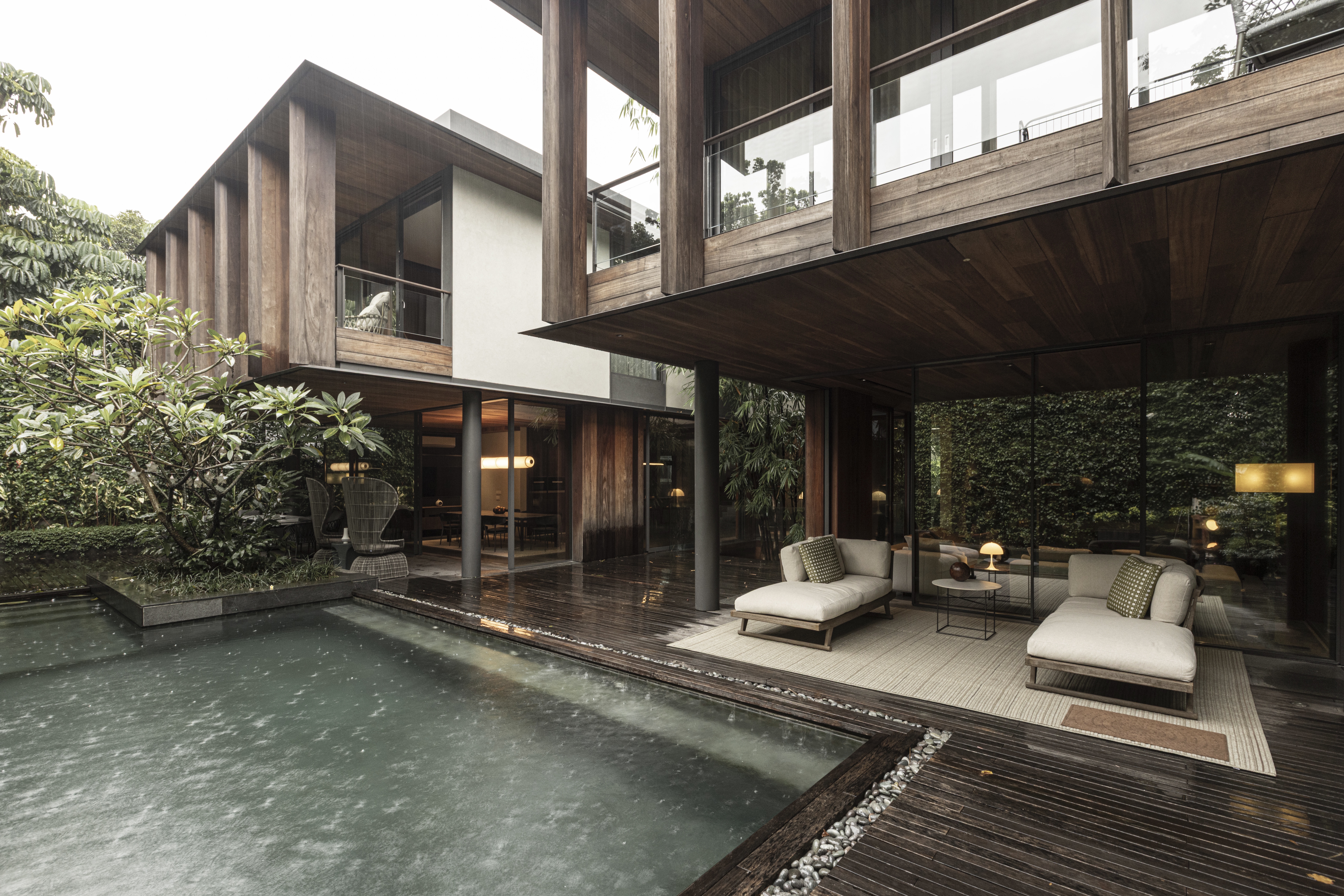
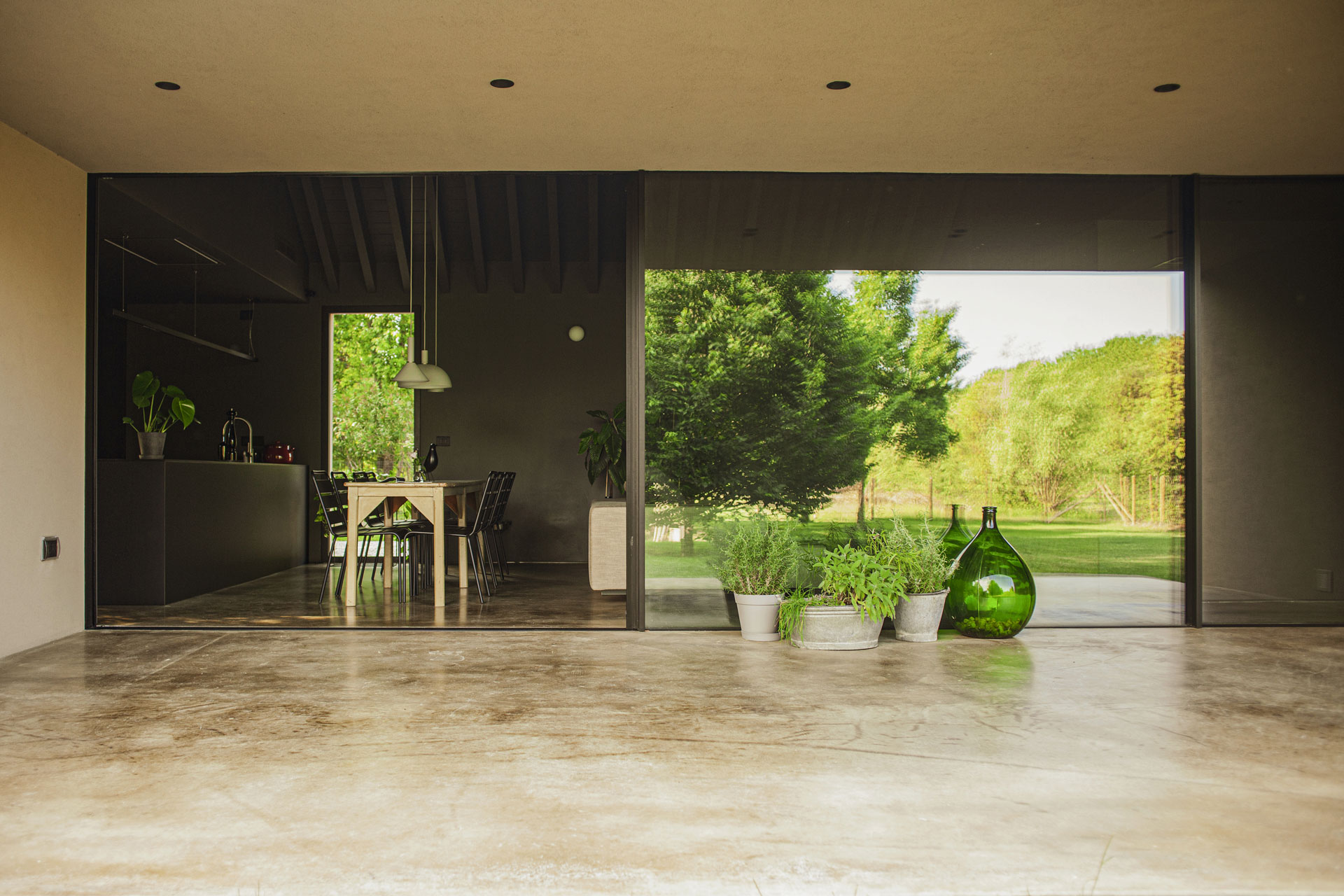
Set on a narrow site between neighboring homes, the DL House required strategic thinking from the beginning. Instead of retreating into enclosed volumes, BAAD Studio opened the house inward, allowing air, light, and greenery to shape each moment of living.

“I think specifically for this project, there were just a few strategies we had to consider, given that the property is sandwiched between houses on both sides. It’s not as expansive as other properties, but nevertheless, we didn’t want to create a big volume, deep spaces, or dark corners. So instead, An started the plan with multiple courtyards,” Benjee explains.

A key decision and a defining moment came when the client expressed a rare preference for natural materials.There are very few clients who want to make heavy use of natural materials like natural wood… the owner’s main interest was to incorporate hardwood from his own collection and focus on natural materials chosen specifically for this house,” An shares.

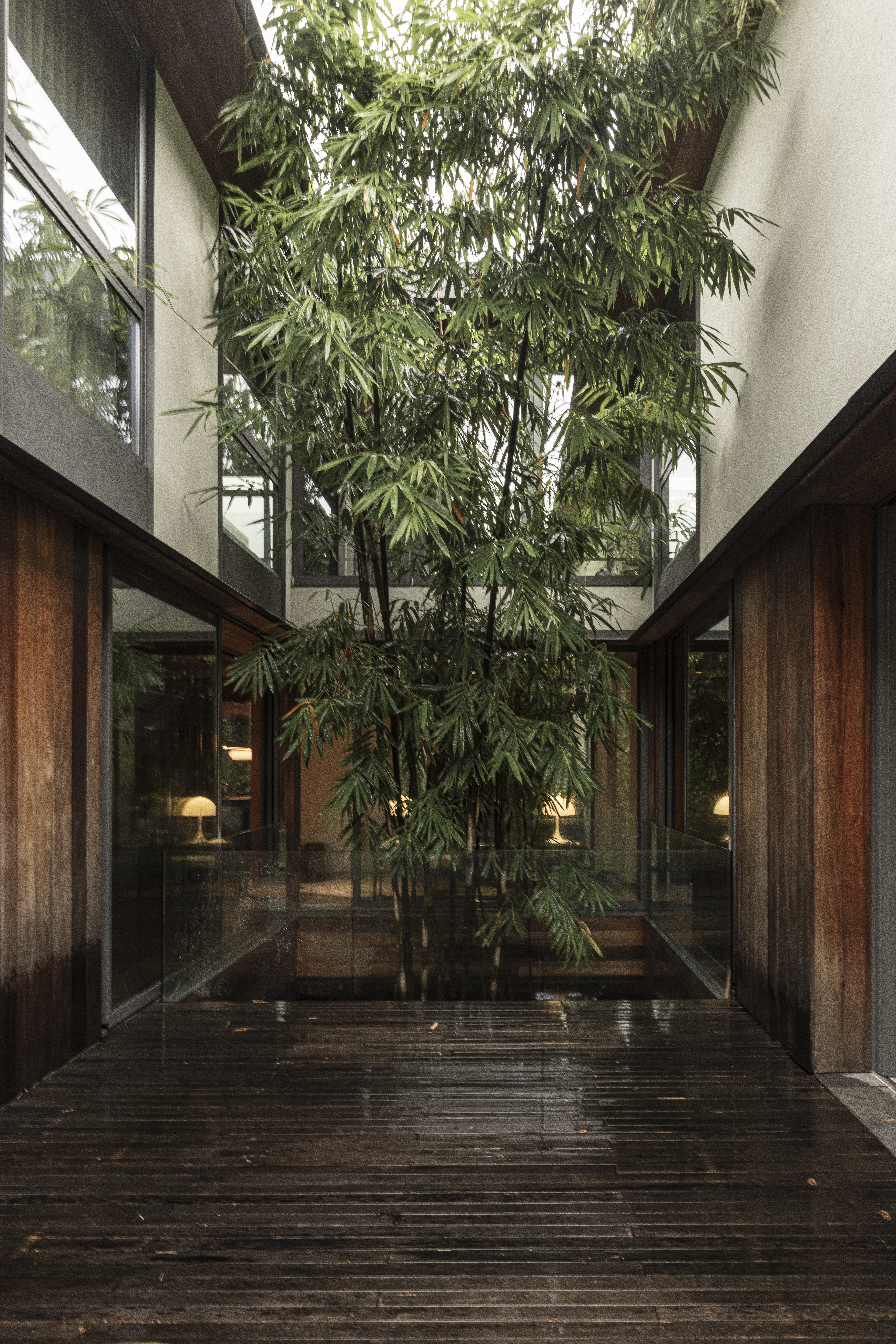
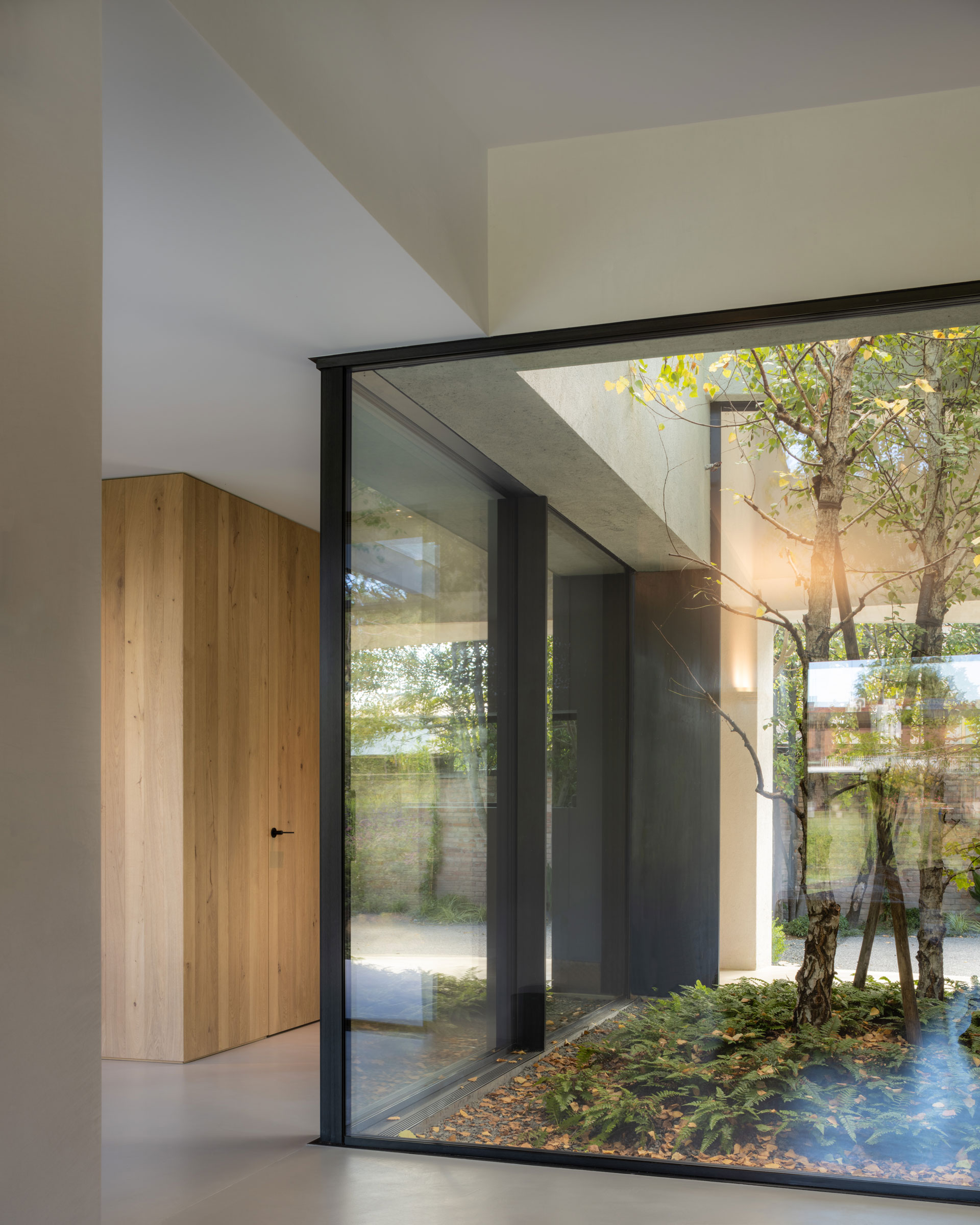
Courtyards, voids, and light wells became the home’s organizing principle — not only for comfort, but for privacy and sustainability. Environmental factors guided both the plan and the experience of each space.
“The layout of the house was driven by environmental factors… with the busy street at the back, we worked through voids and courtyards to let light penetrate from the top, down to the basement, and to create internal views,” adds An.


These pockets of space create different points of view depending on where you’re sitting or standing


A home defined by change


For BAAD Studio, there is no single space in DL House that defines it. Instead, the architecture reveals itself through changing conditions, the weather, the light and mood.

“The thing with this house is, there isn’t just one ‘way’ of experiencing it. These pockets of space create different points of view depending on where you’re sitting or standing,” says Benjee. “Or even your mood on that day—where you feel like sitting,” adds An.

“Or the angle of the sun,” Benjee continues. “Sometimes the central courtyard with the koi pond looks incredible when it’s raining. Other times, the morning sun casts just enough light through the bamboo foliage to bring it inside. There are moments when you just want to see the shadows of the imperfect wood, or the play of the blades.”


This sensory richness comes from a planning-first approach.This house wasn’t meant to look a certain way—it all started from the plan. I remember our first presentation to the client: it was just a plan, no perspectives. That’s how BAAD Studio always starts a project—thinking about how people move, what they see as they move through spaces, and how those spaces perform in terms of comfort, says Benjee.

Orama Minimal Frames: Precision, Strength and Aesthetic value


As one of the first homes in the Philippines to install Orama Minimal Frames, DL House used them not simply as windows, but as a technical and experiential tool central to the project’s ethos.

“The key role of using Orama windows is to keep out unwanted elements outside of the house. These nuances are what create a comfortable living space.”, says Benjee.

For An, the appeal was also in the refinement of the system.
“As architects, we also consider the aesthetic value of the window system. Orama has beautiful finishes and hardware, which our client really appreciated. How the seamless system flooring from the inside to the outdoors—which the client specifically requested from us to have no level changes. I think Orama was able to answer that for this project.”

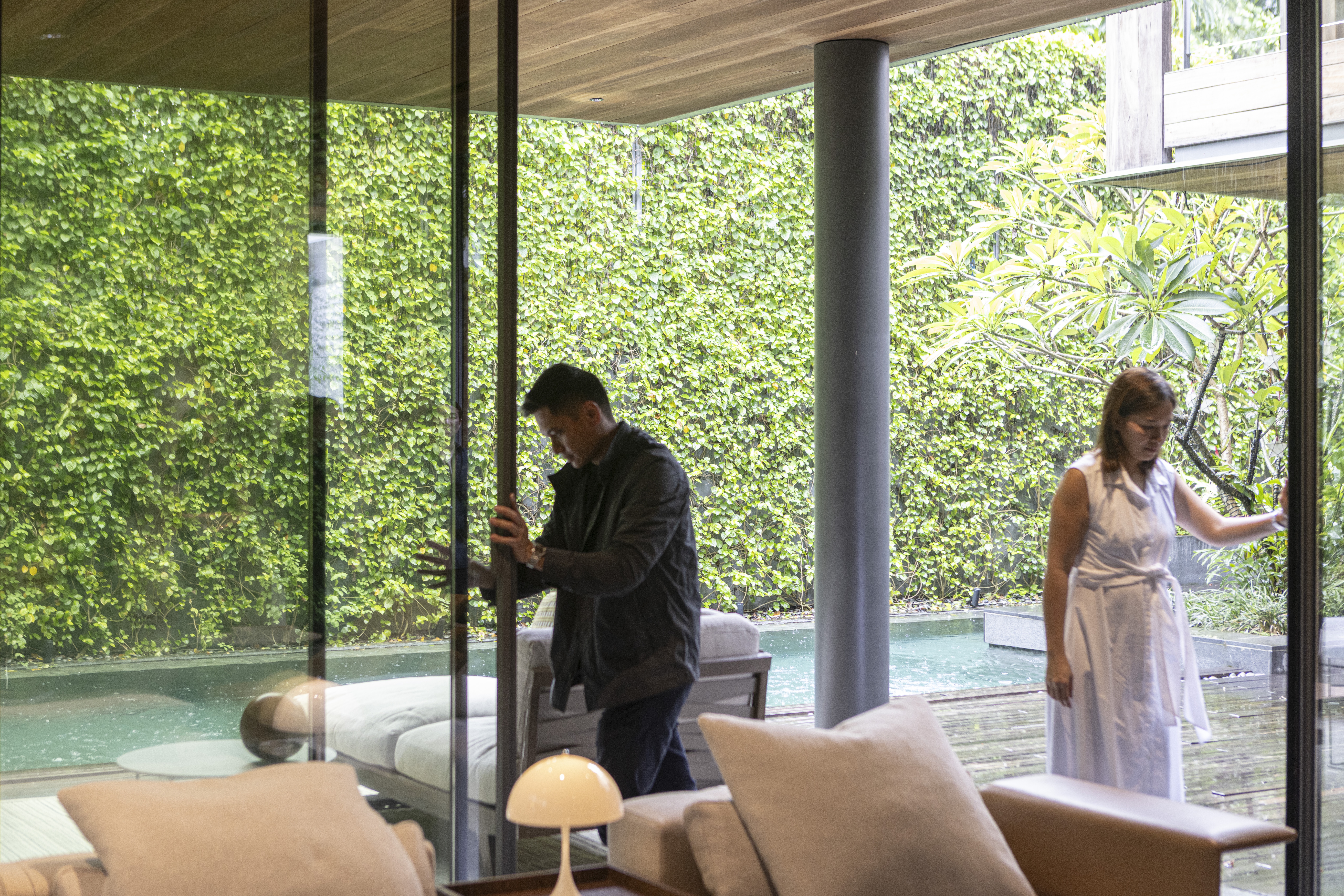
The system’s clarity and slender profiles contributed to the home’s seamless transitions.

Lastly, once sealed, the air quality inside can be maintained on a humid day, the noise can be maintained very well. Yet the clarity of the relationship of what’s inside and outside is not disruptive. So this is what we meant by using the minimalist, very slender profile, which creates seamlessness in which there’s a very small differentiation of it being open and it being closed,” says Benjee.
Orama system’s clarity and slender profiles contributed to the home’s seamless transitions.


The Future of Tropical Architecture


When asked where tropical architecture is heading, An and Benjee see momentum toward smarter materials, sustainable construction, and deeper cultural grounding.

“Philippine tropical architecture is heading nowhere but towards extensive use of highly sustainably built or sourced materials. We root ourselves into the past not just aesthetically but by using innovation to aid us into smarter decisions for the use of the house,” says An.

Benjee expands on this future: For Benjee, it’s also about evolving craft: “There’s a shift toward computer-aided fabrication, upcycling, and recycling… companies are becoming more conscious about production.

But while tools evolve, architecture remains a dialogue, between builders, clients and climate.
You have to be sensitive — not only to the client but also to the environment and the unique qualities of each site… We learn how to balance these aspects through experience.
Every project becomes a continuation of that conversation, a way of learning, refining, and moving forward.

View of the DL House


Being a Visionary

For BAAD Studio, being a visionary is not about grand gestures. It’s about being in tune with people, the environment, the materials and the rhythms that shape everyday life.

#9 Karl Borowiec, Orama USA

“ Being a visionary is about seeing beyond the conventional, challenging limitations and constantly innovating to create something both groundbreaking and timeless.”


Karl Borowiec is the Chief Operating Officer at Orama USA, spearheading the brand’s strategic expansion into the American market. With deep expertise in high-end fenestration solutions, he leads the charge in bringing European precision and craftsmanship to Los Angeles discerning architectural community. From his base in the new LA showroom, Karl works closely with architects, designers, and homeowners to deliver tailored solutions that embody Orama’s commitment to elegant design and outstanding performance.


Building bridges between Europe and America


The new showroom in Los Angeles was inspired by the need to create a dedicated space where architects, designers and homeowners can fully experience Orama’s craftsmanship, precision and European design philosophies firsthand.

“Given LA’s strong demand for high-end, customizable fenestration solutions, the showroom serves as an interactive environment where visitors can see and operate Orama’s minimal frame designs, understand the technical details and consult with our experts on tailored solutions for their projects,”  explains Karl.

The showroom is designed to be both a functional workspace and an immersive experience. Full-scale product installations showcase Orama’s ultra-slim aluminium systems in different configurations, while material samples and finishes allow clients to explore customisation options.

“We offer hands-on consultations with our in-house team, including drafting specialists and project managers to help discuss the feasibility and technical aspects of our products. Live demonstrations of our advanced systems showcasing our thermal performance which meet and exceed California’s stringent energy standards.”

A think tank for innovation and modern fenestration


The showroom positions Orama as a key player in shaping LA’s luxury residential and commercial architecture by providing a local hub for European quality window systems, catering to the city’s growing preference for seamless indoor-outdoor living, expansive glass facades, and sustainably focused designs.

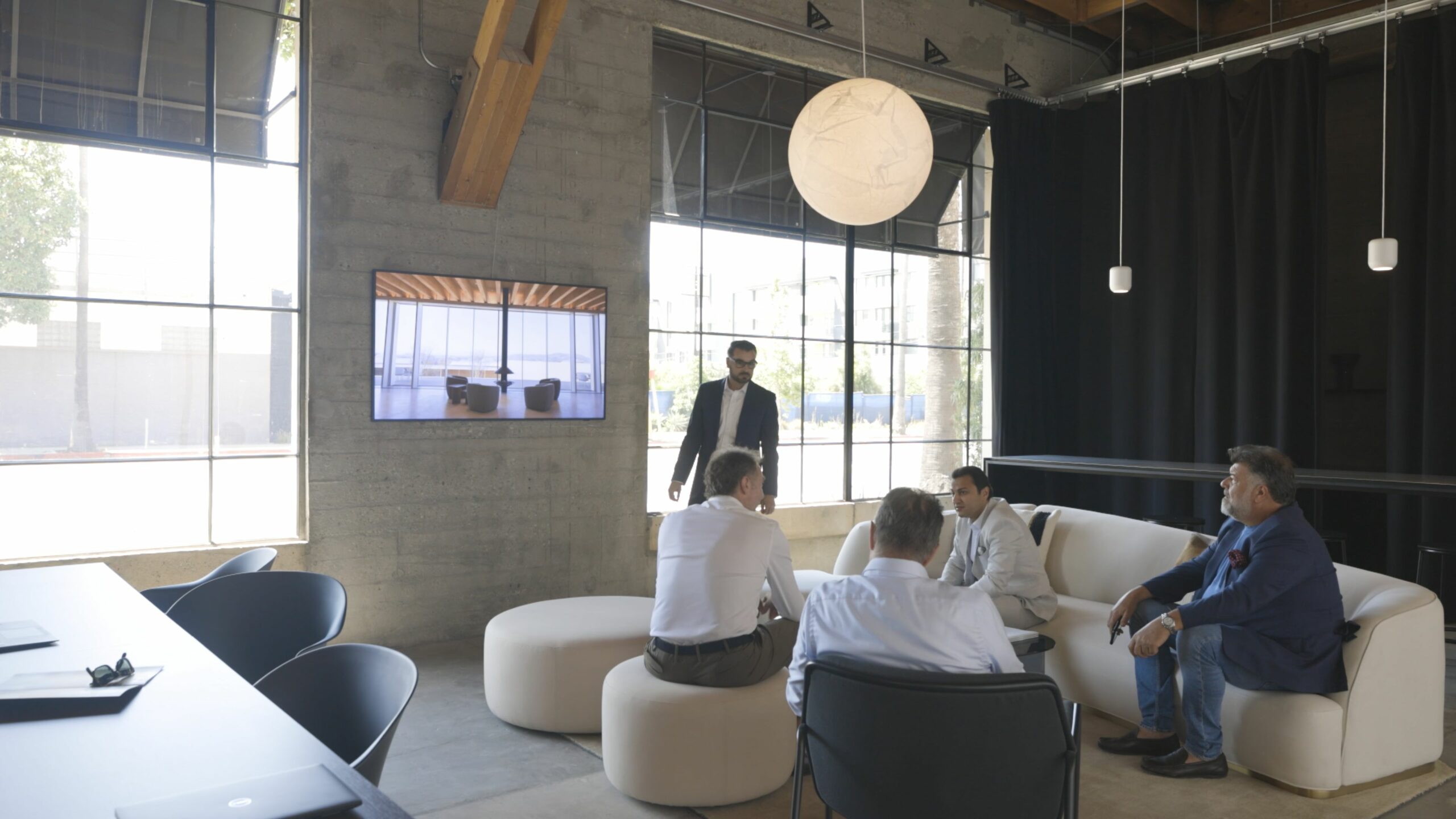
Inside Orama’s LA Showroom

“It’s more than just a product showcase. It’s a think tank for innovation and modern fenestration, fostering collaboration among industry professionals to push architectural boundaries in Los Angeles.”  The primary audience for the LA showroom is a mix of architects, builders, interior designers and homeowners, each with distinct needs but overlapping interests. “The space is designed for architects, builders and designers to bring their clients, review plans and discuss specifications.

We display high-quality samples of our glass and aluminium systems, with aesthetic-based product displays that highlight the beauty and functionality of Orama’s systems in a real-world setting.”

Precision, innovation and elegance


For Karl, Orama is defined by meticulous engineering, from the slim aluminium profiles to the seamless integration of glass.

“Every detail, from sourcing materials all the way through installation, is executed with the highest standards to ensure flawless performance. The brand pushes boundaries in modern fenestration, combining cutting-edge European manufacturing techniques with today’ s advanced glass technologies. Orama’ s systems aren’t just about aesthetics. They’re designed to enhance energy efficiency, acoustics and the overall user experience.”

The brand delivers minimalist luxury, creating large-format, almost invisible barriers between indoor and outdoor spaces. “The refined aesthetics, superior craftsmanship and seamless operation embody a timeless sophistication that appeals to high-end residential and commercial projects.”

The satisfaction of collaborative excellence


What Karl enjoys most about his role is the collaborative process of working with architects, designers and clients to find the perfect solution for their projects.

“Whether it’s tailoring a system to meet their unique design challenges or ensuring flawless execution from concept to installation, satisfaction comes from knowing that every detail contributes to an exceptional final result. The industry is constantly evolving and the challenge of refining materials, improving performance and setting new design standards is what makes it exciting. Plus, seeing a well-executed project reminds me of why this work matters.”

His relationship with Orama began about two years ago with a shared commitment to quality, innovation and precision. “Orama stood out to me in the market with its 100% European- made products, made products, engineering and direct-to-client approach, which made it an appealing partner for those who prioritize both design and technical performance. Every system is designed and manufactured with superior craftsmanship and consistency. Orama isn’t just selling products. They’re pushing the boundaries of architectural window systems, ensuring better pricing transparency, quality assurance and personalised experience for each and every one of our clients.”

The visionary power of architects


Architects play a crucial role in Orama’s success, because they are the visionaries who push design boundaries and challenge the company to deliver the most refined, high-performance solutions.

“Their expertise in spatial composition, material selection and technical detailing help shape the way our products integrate into modern architecture. Architects bring creative and ambitious concepts that inspire new ways to refine and adapt our systems. They set design trends and often act as trusted advisors to our clients, making their endorsements of the Orama product essential for our brand growth.”


Material samples and finishes allow clients to explore customisation options


Shaping the architectural identity of America


Orama’s minimal frames and design solutions are helping shape the architectural identity of the US market, especially in Los Angeles, where the demand for indoor-outdoor living, expansive views and modernist aesthetics is at its peak.

“Orama’s ultra-slim profiles and large glass panels reinforce the quintessential LA lifestyle—seamless transitions between interiors and nature, whether it’s the Hollywood Hills, Malibu or Beverly Hills. Homes are designed to dissolve barriers between the inside and the outside.”

LA architects and homeowners are increasingly drawn to European aesthetics, refined materials and minimalism, with a focus on craftsmanship, all of which align with Orama’s European identity. “The minimal frames market in the US has been experiencing significant growth, driven by increasing demand for modern aesthetics and high-performance glazing solutions. While Europe has long embraced ultra-slim systems, the US market, especially in high-end residential and commercial projects, is rapidly catching up. While the US market demands aesthetics, it also requires thermal efficiency, air-tightness and durability. Orama delivers performance adapted to California’s energy codes.”


Strategic growth and eastward expansion


Orama’s expansion in the US market is all about strategic growth—deeper engagement with architects and developers, and reinforcing the company’s presence in key high-end markets. “We started with the showroom in Los Angeles and will continue our expansion eastward.”

The visionary mindset


For Karl, being a visionary means anticipating the future, pushing boundaries and redefining what’s possible. “It’s about seeing beyond the conventional, challenging limitations and constantly innovating to create something both groundbreaking and timeless. It’s someone who can reshape the way spaces and people connect. A visionary is a forward thinker, someone who doesn’t follow trends but sets them.”

For Orama, being a visionary isn’t about flashy marketing or empty innovation. “It’s about the relentless pursuit of excellence in both design and execution. Every project, every detail, every collaboration is an opportunity to shape the future of modern architecture. Orama is striving to set standards by continuously refining our materials, engineering and performance standards. Every detail matters, and we’re always looking ahead like true visionaries do.

#8 PILA Studio, Greece / USA

“…Visionary is someone who can implement a strong idea by taking the various obstacles and challenges that come their way and turning them into solutions and advantages.”


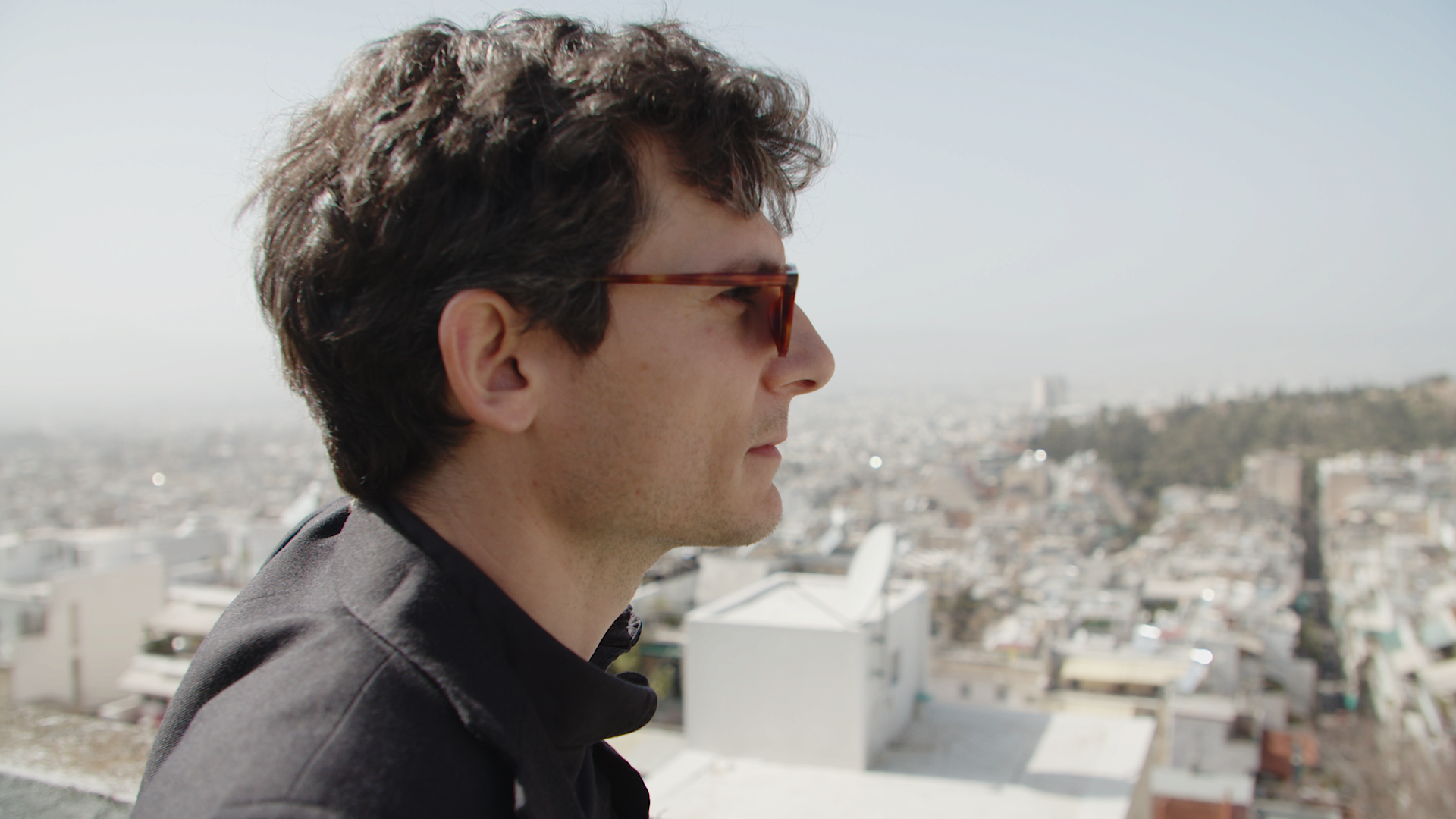
Ιlias Papageorgiou is the principal architect of PILA Studio, an architectural design firm based in Athens and New York. He and his partner Christina Papalexandri established the practice in 2019 while living in New York. They have since moved and opened their second office in Athens, working between multiple projects at all scales, from private home renovations to masterplans for office and residential buildings.

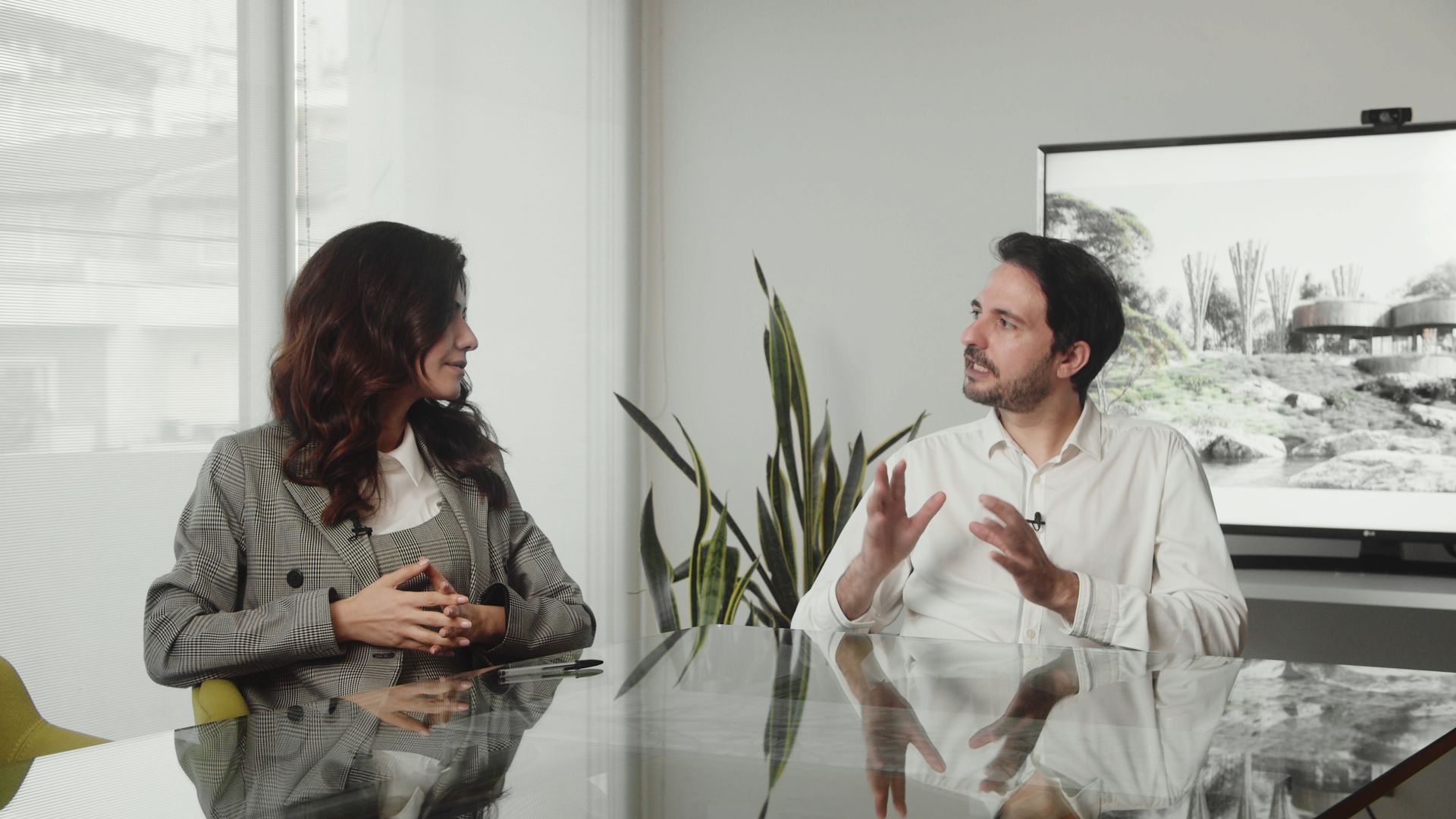
Ilias Papageorgiou & Christina Papalexandri | PILA Studio

In this edition of THE VISIONARIES, Ilias talks of how their shared experience working across different countries and with multicultural and multidisciplinary teams shaped their approach to architecture and helped them overcome the challenges of designing the façade of the 22-storey Piraeus Tower, one of the tallest and most emblematic buildings in Athens.


Embracing an open design process


After completing his master’s degree at Harvard University’s Graduate School of Design, with a scholarship from the Onassis Foundation, Ilias Papageorgiou worked closely alongside Dutch architect Florian Idenburg and Chinese architect Jing Liu as a partner in the architectural design firm SO – IL in New York City. “My approach to architecture was shaped significantly by my experience as an architect in New York. Over my 11-year stay at SO – IL, we developed retail, cultural, and residential projects in the US, Europe, Mexico, and Asia. In the office, everyone came from different backgrounds and places around the world. So, being open to possibilities and diverse perspectives was essential. I think this helped us cultivate an outward-looking approach to architecture. And it is something that we also practice at PILA today.” 


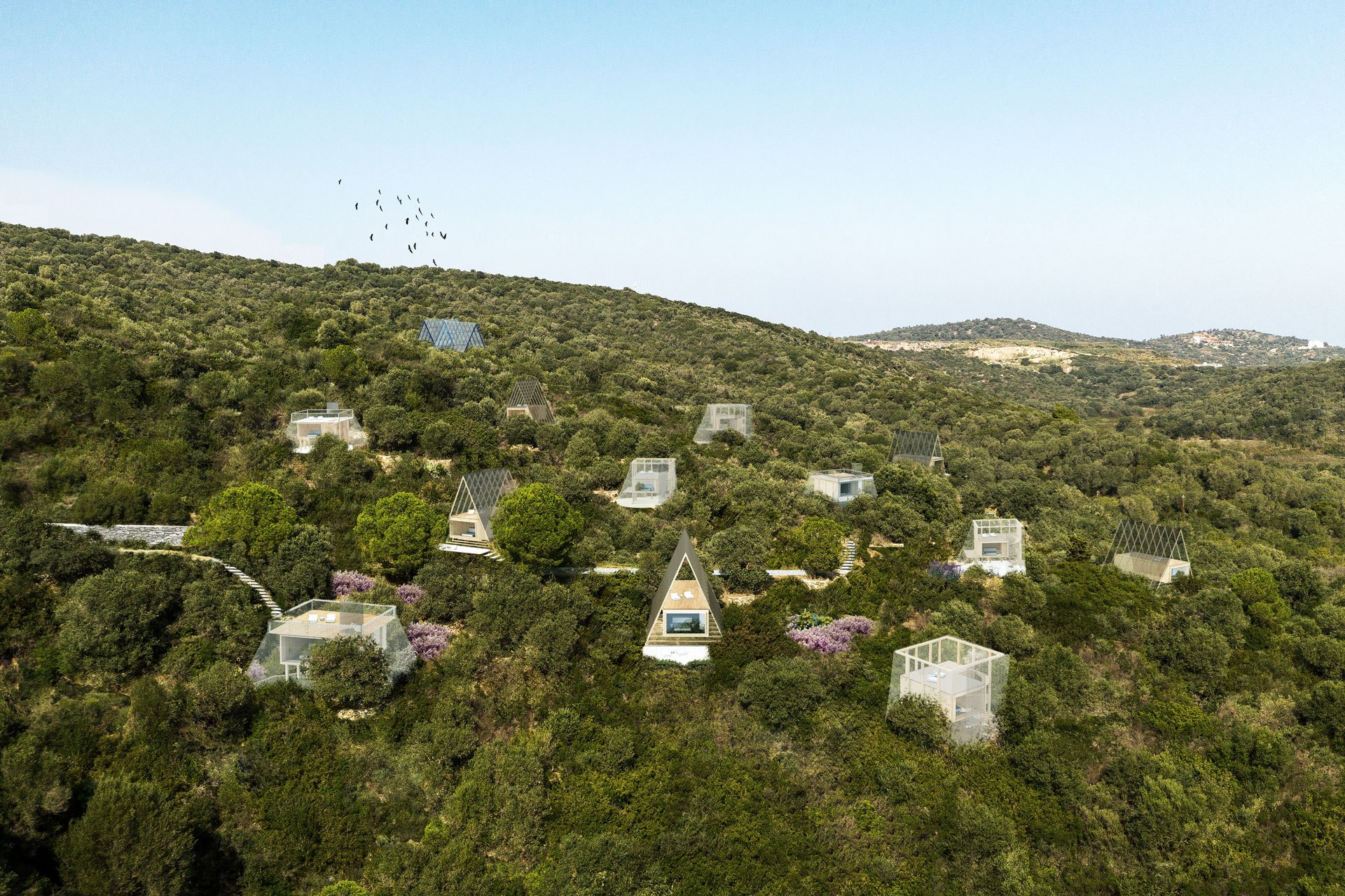
Tree House, render, Ammouliani Hotel, Greece

According to Ilias, a big part of PILA’s design process involves communicating openly with your team about what you’re creating together and putting your ideas out — even if they’re rough at first.

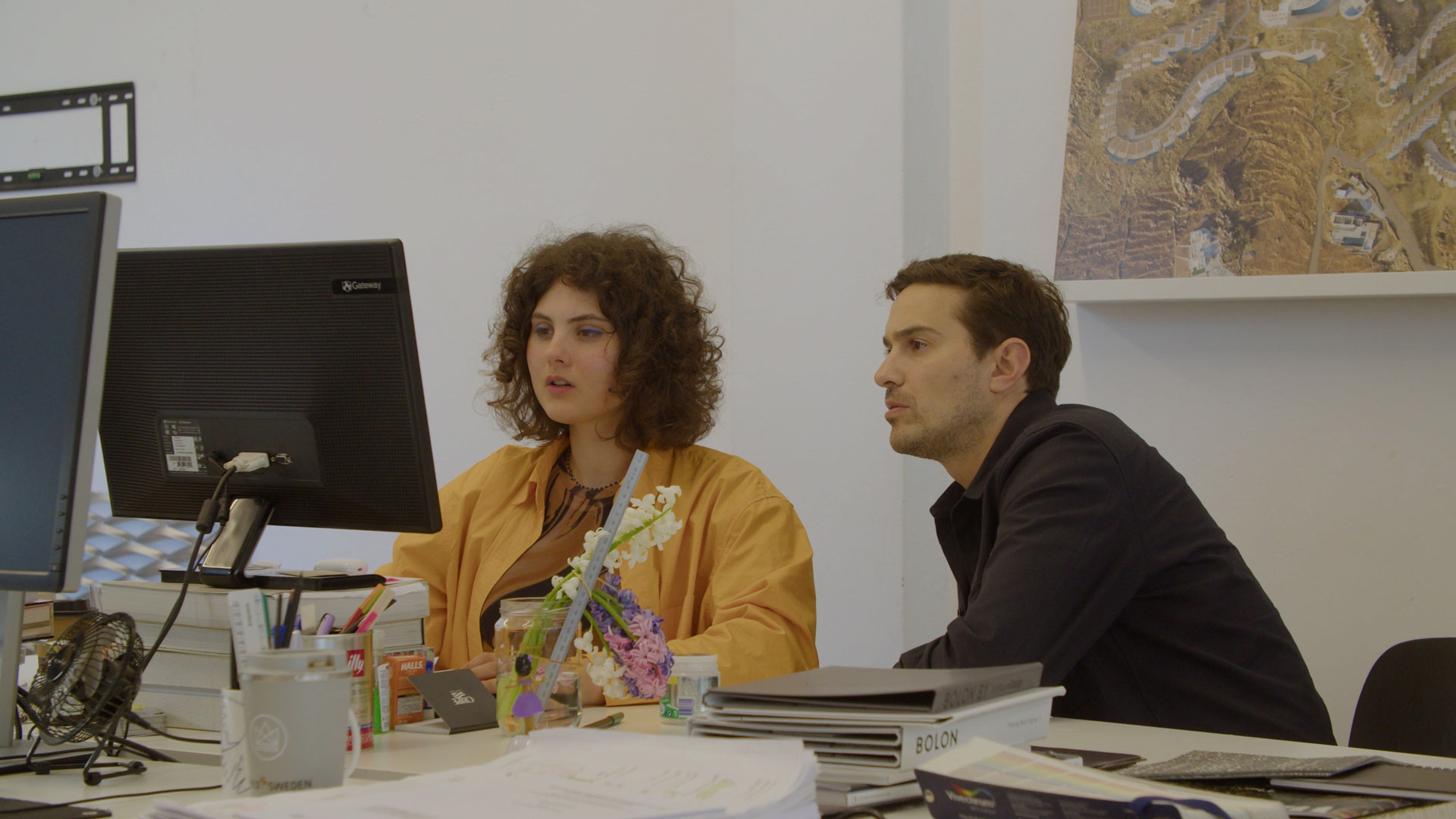
Ilias Papageorgiou with PILA’s team member

“Our ethos as a company is about feeling free to show your work. I think this transparent collaboration is what makes a project successful. And it is the same when we are working with a client. We bring things to the table, the various parameters of the project, different ideas and directions, to see how they feel. And then, slowly, we sort of filter the information that becomes irrelevant and conclude to a strong design direction.”

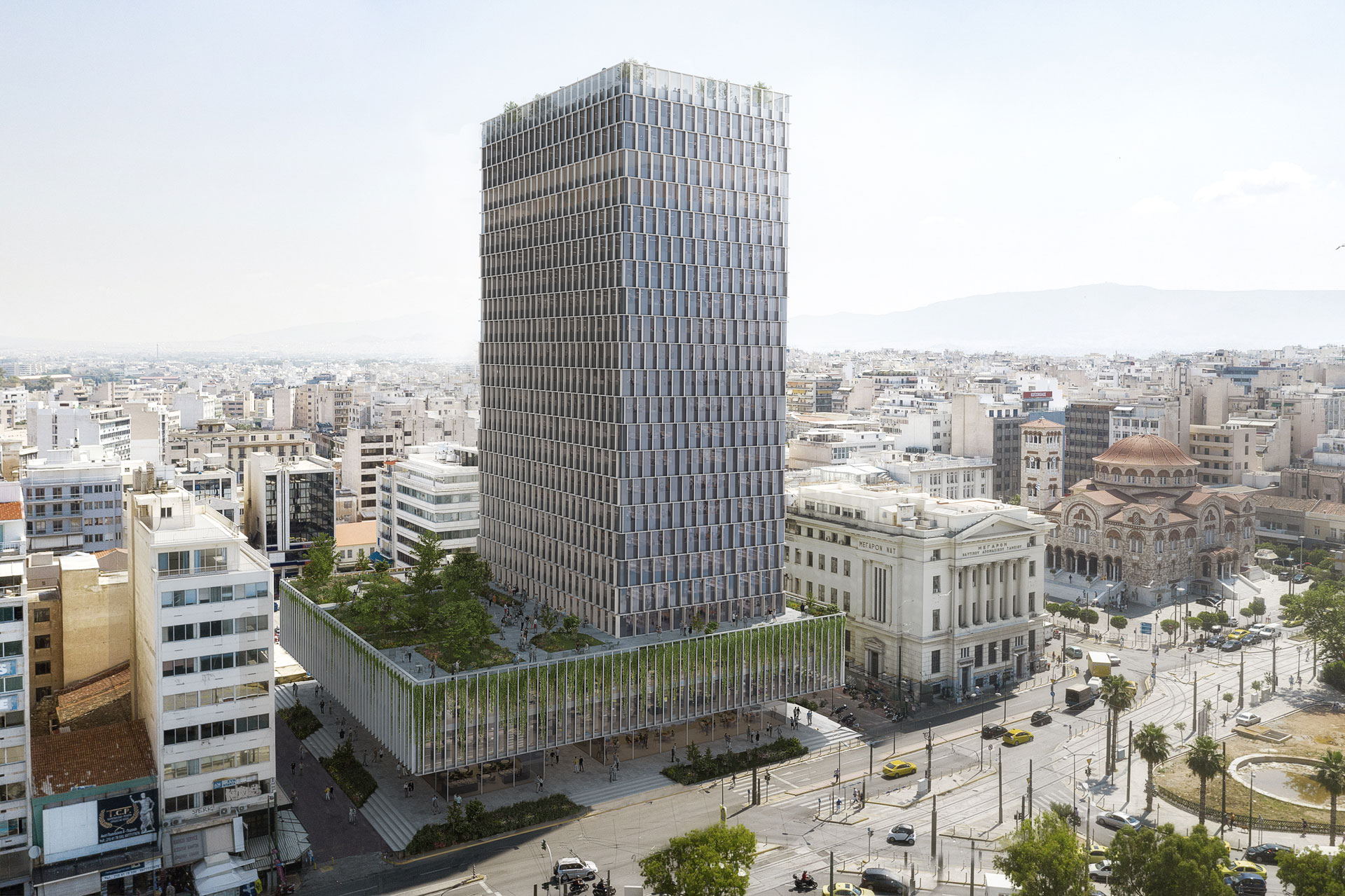
Alongside smaller-scale projects like the renovation of a small apartment for a Danish gallerist in Exarhia, Ilias Papageorgiou and his studio are most known for redesigning the façade of the Piraeus Tower located in the heart of Greece’s largest port. Initially designed by I. Vikelas, G. Molfesis, and A. Loizou, the 82m tall building was the most ambitious construction project of the 1970s. Unfortunately, though the building frame was completed in 1974, and some shops and offices were operating on the first three floors, the project was abandoned in the following years.


Awakening the “sleeping giant”


As a result, the Tower of Piraeus remained uncompleted and empty until 2020, when the joint venture of Dimand, PRODEA Investments, EBRD and Cante Holdings Ltd took over the lease and brought PILA on board to redesign the façade. “It was one of the first projects we did when we established the office in Greece, and we got invited into a competition to submit a proposal,” Ilias remembers. And he continues, “I think it was one month before the first lockdown. The office was still very young, and we hadn’t worked together before. We were still trying to figure out all the processes, and then suddenly, we had to develop a proposal for this super exciting project.”   

Piraeus Tower, Greece

Among the many challenges of this project was that zoning laws in the wider Athens area have hindered the development of high buildings in the city, resulting in a mild landscape and a lack of widespread technological knowledge of such structures. So, Ilias and his team had to figure out a design and construction process for this type of project. “The Piraeus Tower has a very different scale from everything around it. So we aimed to design a façade to help the building break down its scale and blend with its surroundings.” 


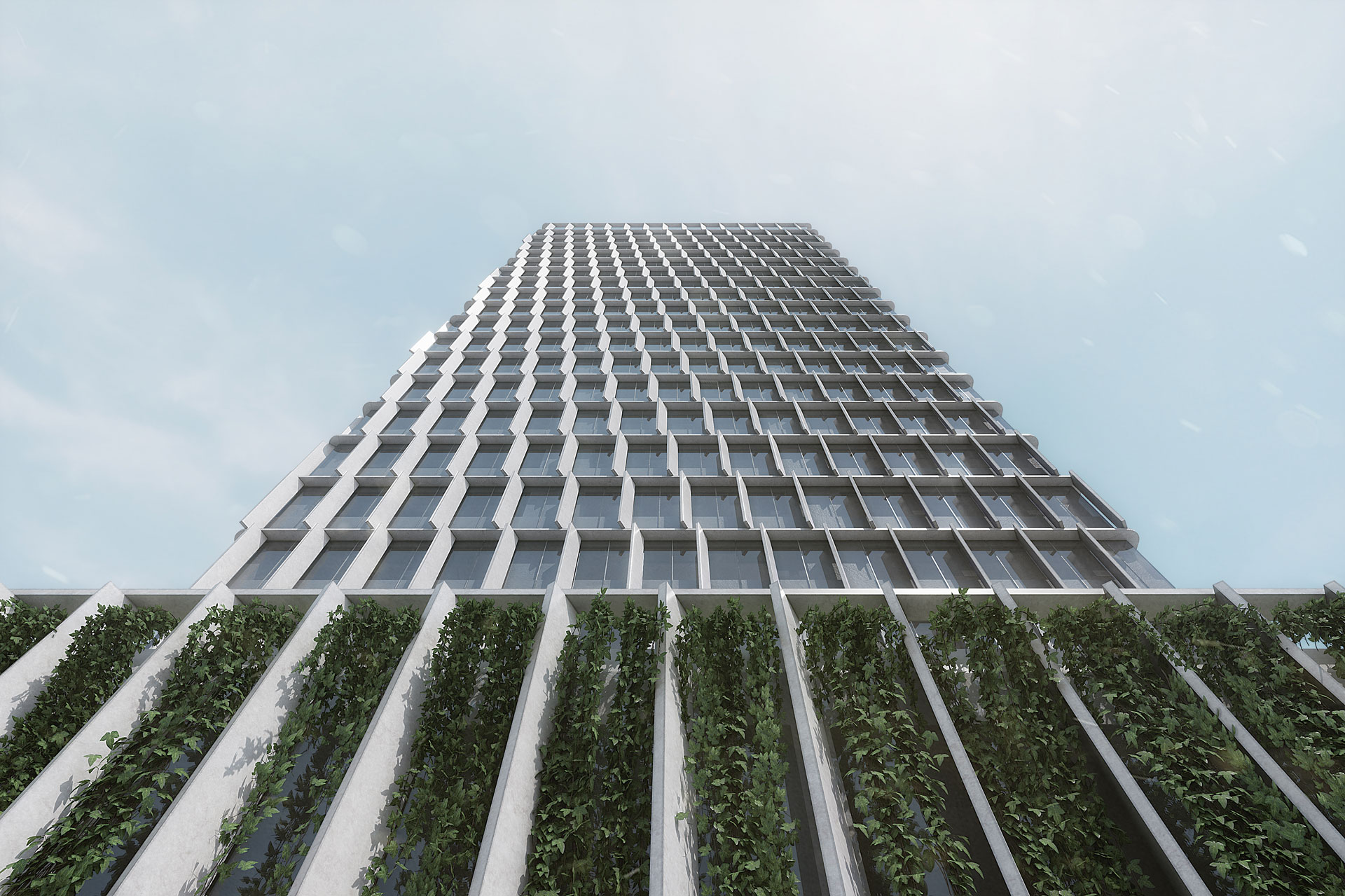
Piraeus Tower, Greece

For this, PILA devised a modular panel system that repeats across and allows the building to be perceived differently depending on where you are. Ilias explains the concept further, “The façade consists of vertical and horizontal components. The vertical louvers were designed to have a minor displacement between each floor, so it appears like there’s a slight movement across the face of the building. In addition, they slightly rotate on every floor at a different degree, which helps optimize the shading and allows the people inside the building to enjoy multiple views of the port and the city of Athens.” 

Responding to the developer’s commitment to building the first LEED Platinum-certified high-rise building in Greece, PILA’s facade solution for Piraeus Tower combined very ambitious energy efficiency and sustainability targets, reducing solar gain by 45% and the cooling needs of the building by about 20%.


Rethinking how we want to build


Ilias is adamant about sustainability: “I think it’s not a matter of whether you will follow it. It’s almost like a basic structural component; buildings today must be as sustainable as possible.” And, “When you approach a building within this framework, what I find quite interesting is the topic of circular design. How we can apply the principles of circular economy in the way we design our built environment; how we can realise more value from existing buildings instead of demolishing them, and keep resources and building materials in the economy, and stop them from becoming waste.” 

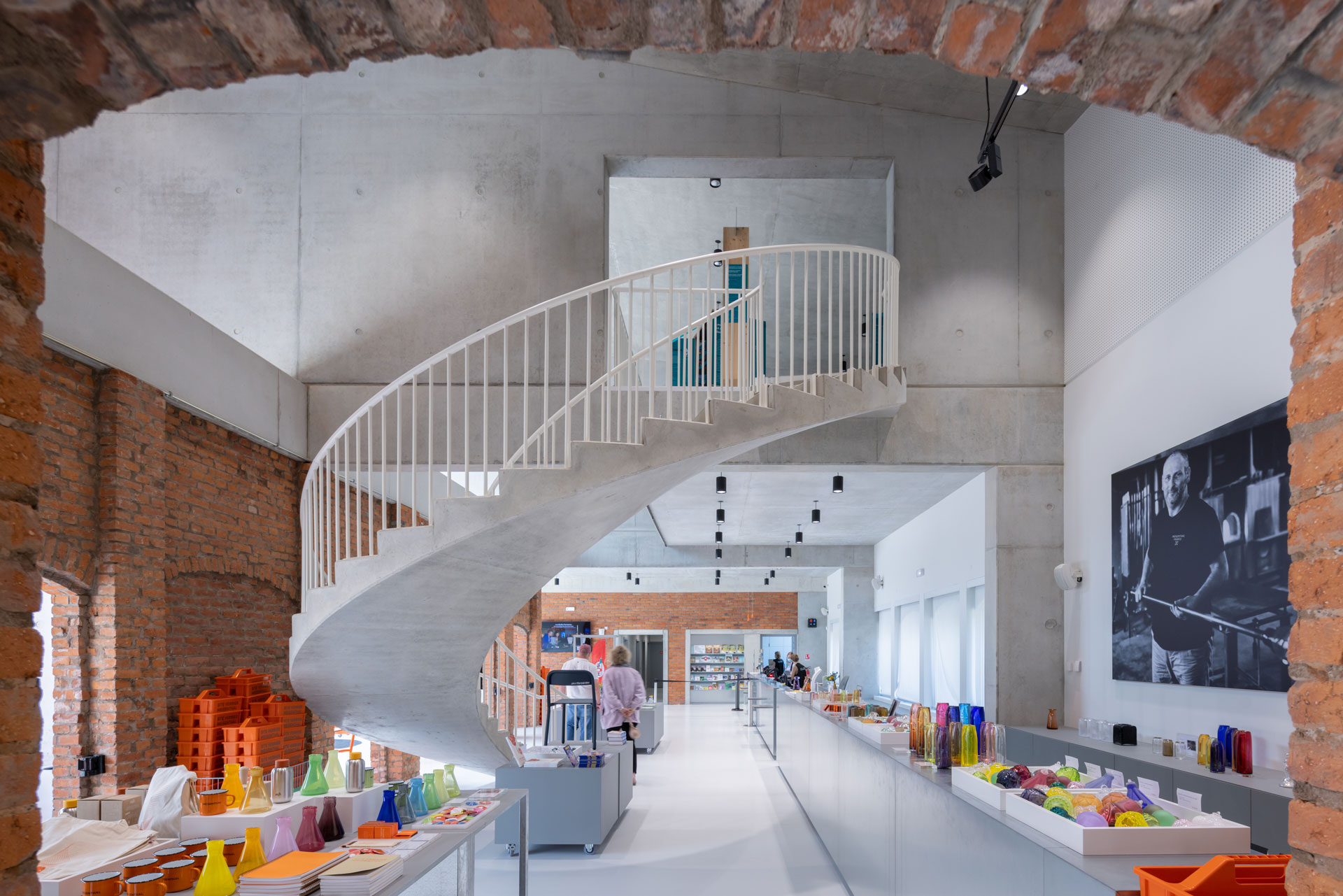
Site Verrier, Meisenthal, France. Collaboration with SO-IL and FREAKS

This holistic approach is how Ilias Papageorgiou envisions the future of architecture. “It’s essential to consider all aspects of the ecosystem that a building exists in. We must examine how our design will appear aesthetically – in context, look at neighbouring buildings and open spaces, consider the sun’s position at different times of day, its users’ wants and needs, and what messages the design should project. Finally, we should examine sustainability from a materials and an environmental perspective. I think that today, in Athens and other cities as well, there is a tendency to build individual buildings. But these buildings are not properly connected to the living reality of the actual site. So, what I believe is missing is maybe a more meaningful dialogue between the people developing a building and those responsible for the city’s infrastructure and the public space.”


Being a visionary


When asked what qualities define a visionary, Ilias Papageorgiou replies with conviction that they are “someone who can implement a strong ideaby taking the various obstacles and challenges that come their way and turning them into solutions and advantages.”

Ilias Papageorgiou during the interview at PILA studio

#7 Agostini Group, Italy

“…Visionary is someone who treats each challenge with broadened observation; circular vision. He never stops and can see beyond the ordinary, much like a chess player who can think of many moves ahead.”


Germano Agostini, chief executive of Agostini Group, is Orama’s business partner for Italy. In this edition of THE VISIONARIES, he speaks of the industry’s challenges and what drives him. Then, during the interview’s second half, he is joined by architect Francesco Perissinotto from Machina Architetti Associati to talk about one joint project, the Riverside House.


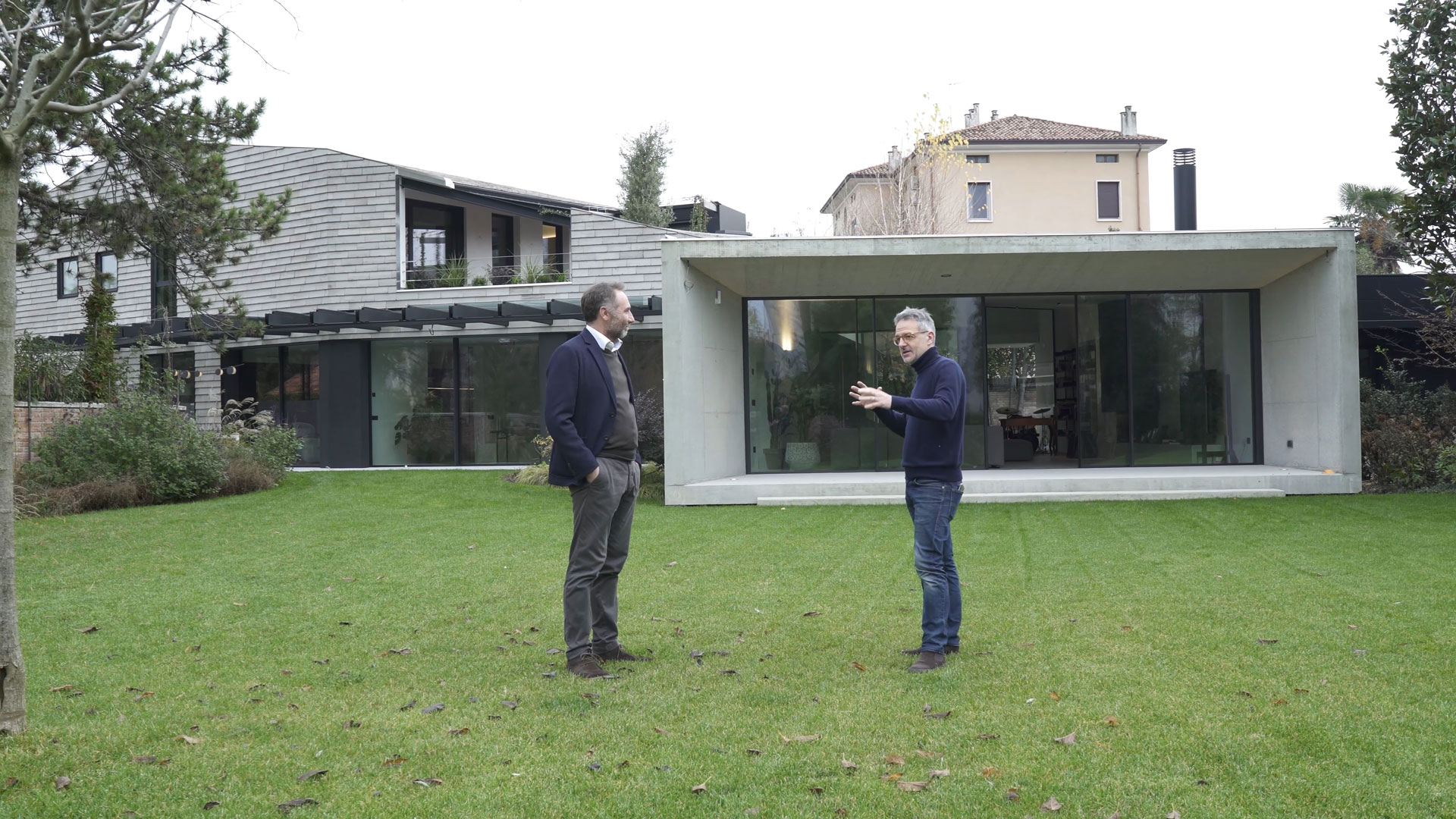
Mr. Agostini & Mr. Perissinotto during the interview at the House in the Riverside, Treviso, Italy, 2023.


Celebrating 60 years in business and driven by a desire for constant growth, Agostini Group has been at the forefront of testing new materials and driving innovation in high-efficiency windows. “Our company started producing PVC shutters in the 1960s, and in the 1980s, it was among the first in Italy to build windows and doors made of PVC. At the beginning of the 2000s, and keeping up with industry needs, we developed and patented the Fibex-Inside range of aluminium and wood-aluminium frames, one of the first profiles with a central insulating body of Fibex, offering maximum thermal insulation and exceptional structural stability. A few years later, Agostini Group took another step forward and launched its collaboration with Orama Minimal Frames, establishing itself as one of Italy’s leading suppliers of minimal window systems.” 


This short history embodies Germano Agostini’s and the group’s determination and vision to create a new way of opening living spaces to life, air, and light, improving people’s well-being and quality of life. “My vision and how I lead the company, setting ambitious goals and continually seeking to improve our offerings, has been greatly influenced by sport.” A passionate sportsman, Germano Agostini has always loved sailing, basketball, and tennis. He firmly believes that trying new activities is the perfect way to challenge yourself, embrace new perspectives, and experience things differently. “Even today, I like to try new sports, like kitesurfing or padel. Trying new things is about confronting hesitation and overcoming the fear of the “unknown.” But, for Germano Agostini, sports can teach us far more than motivation and drive. “To be an effective team leader in sports, as it is precisely in business, you need to have a positive mindset, be a good listener, and encourage others to do what they do best. You must put your ego aside and challenge yourself before you challenge your team. Share a common goal, believe in the value of collaboration, and define your success according to the impact you have on those around you. These ideas have been central for me in taking our business forward.”


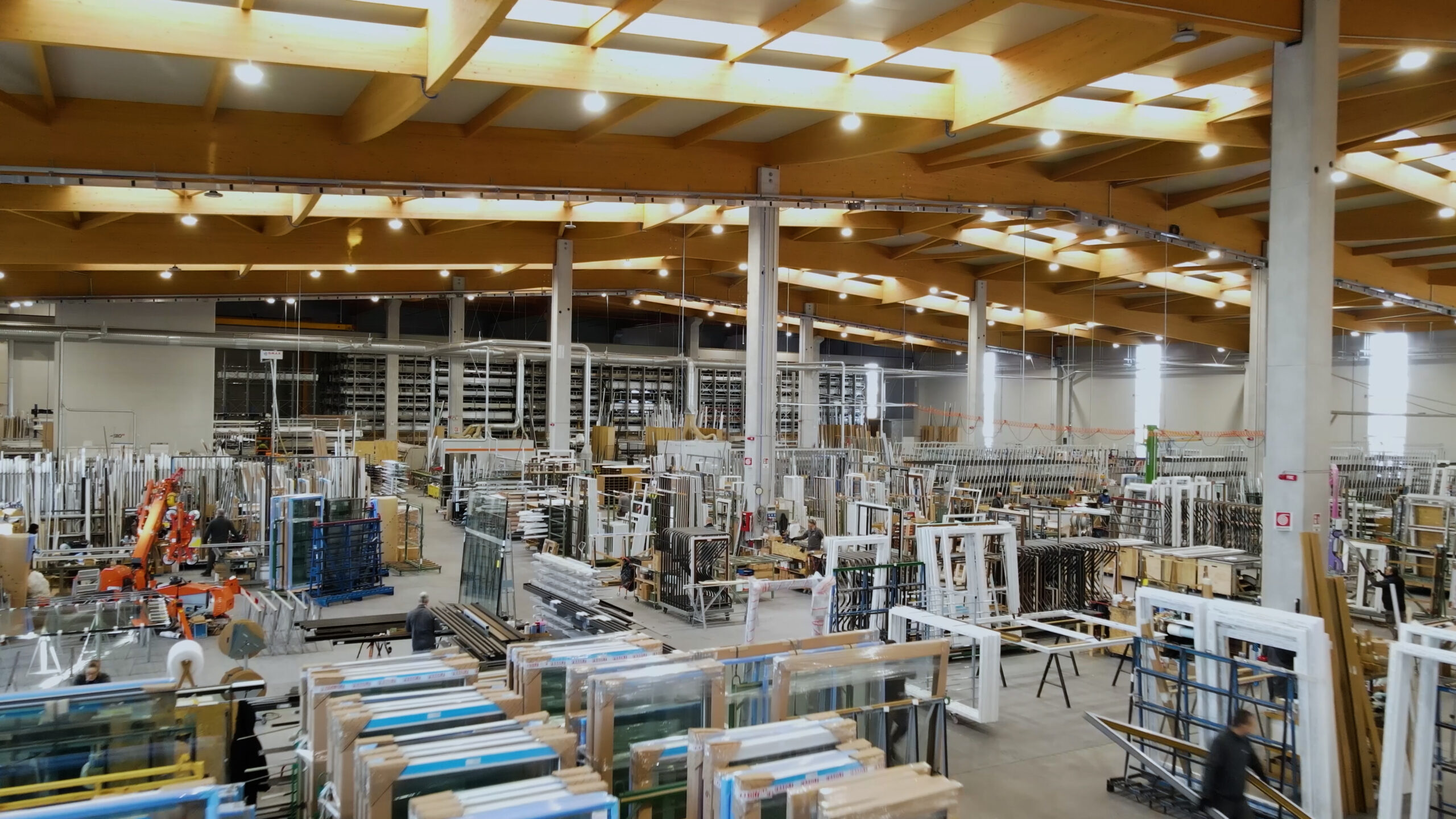
Agostini Group Factory, Italy, 2023


Without a doubt, Agostini Group operates in an increasingly challenging industry, with digitalization, demographic change, the fusion of work and private life, and a new awareness of climate change, health, and quality of life, defining its present and future. “What I love most about what I do are these challenges… because they require relentless research for new, better, more efficient design solutions. I like to be ahead of others. I am becoming increasingly concerned about environmental protection, possibly influenced by my teenage daughters. And that will be the next challenge, manufacturing windows employing environmentally sustainable production processes.”


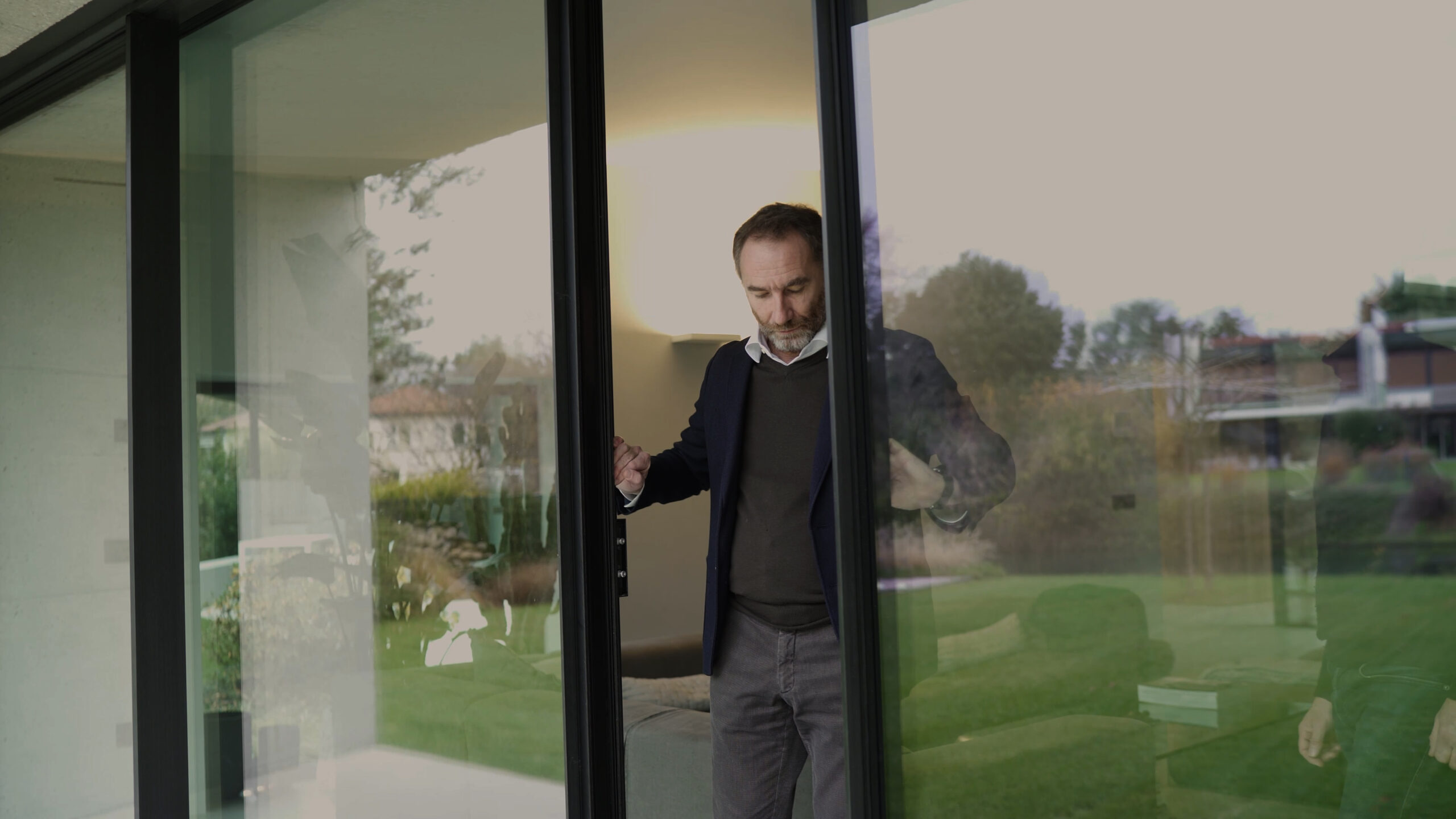
Mr. Agostini during the interview at the House in the Riverside, Treviso, Italy, 2023.

Approaching every challenge through a lens of opportunity


Germano Agostini’s intentional, positive, and action-oriented attitude led him to pursue a partnership with Orama Minimal Frames. “While windows have always been an integral part of a building’s fabric, in recent years, they have taken on increasing significance in building design, particularly with the rising need for larger window-to-wall ratios in construction. Therefore, I felt the need to expand our offering with a range of minimalist windows, an anticipatory product not yet well-known in the Italian market.” 

Casa tra gli alberi, Treviso, Italy, 2020. Arch. Davide Ceron

“Looking at Orama for window solutions that represented this new way of living the habitat in its essence and combined technical excellence, attention to detail, and design flexibility, I also discovered products that guaranteed optimum energy efficiency and safety, all essential requirements for the Italian market. But suppose I were to point out the most crucial aspect of our partnership. In that case, Agostini continues, it would be the great respect I have for them as a business and the confidence I feel when working with their products.”

Casoneto – Attico Centro Storico, Milan, Italy, 2019.

One of the most exciting projects of Agostini Group, in terms of the large number of minimal frames used, was the HPA Lake Luxury Life private residencies complex on the hills of Padenghe sul Garda. “With sweeping views of the lake, our client wanted to create unique and elegant interiors that completely opened up to the outdoors, so we chose to work with Orama as the most suitable solution for this request.” 


House in the Riverside, Treviso, Italy, 2022. Marco Zanta Photography

Form, Aesthetics, Permeability 


According to Agostini, this interplay of closed-open, inside-out spaces is where the opportunity arises for architects to explore minimal window solutions. “As designers, it is important to move away from treating windows as a mere element of building construction. Instead, we would like them to consider the frame more as an integral part of interior architecture. Yet, to still meet functionality, security, and comfort requirements.”

As people’s perspectives and use of their space vary, so do window frames. Germano Agostini ponders the fact that there is never the same configuration twice. Instead, it may differ in size and in modularity; fixed panes combined with sliding panes, exposed or concealed in the wall, even with pivoting opening solutions.


“Minimal windows are so versatile that there are endless solutions, and our role is to listen carefully to the architect’s vision, to think beneath and beyond their request, and offer the best possible solution.”

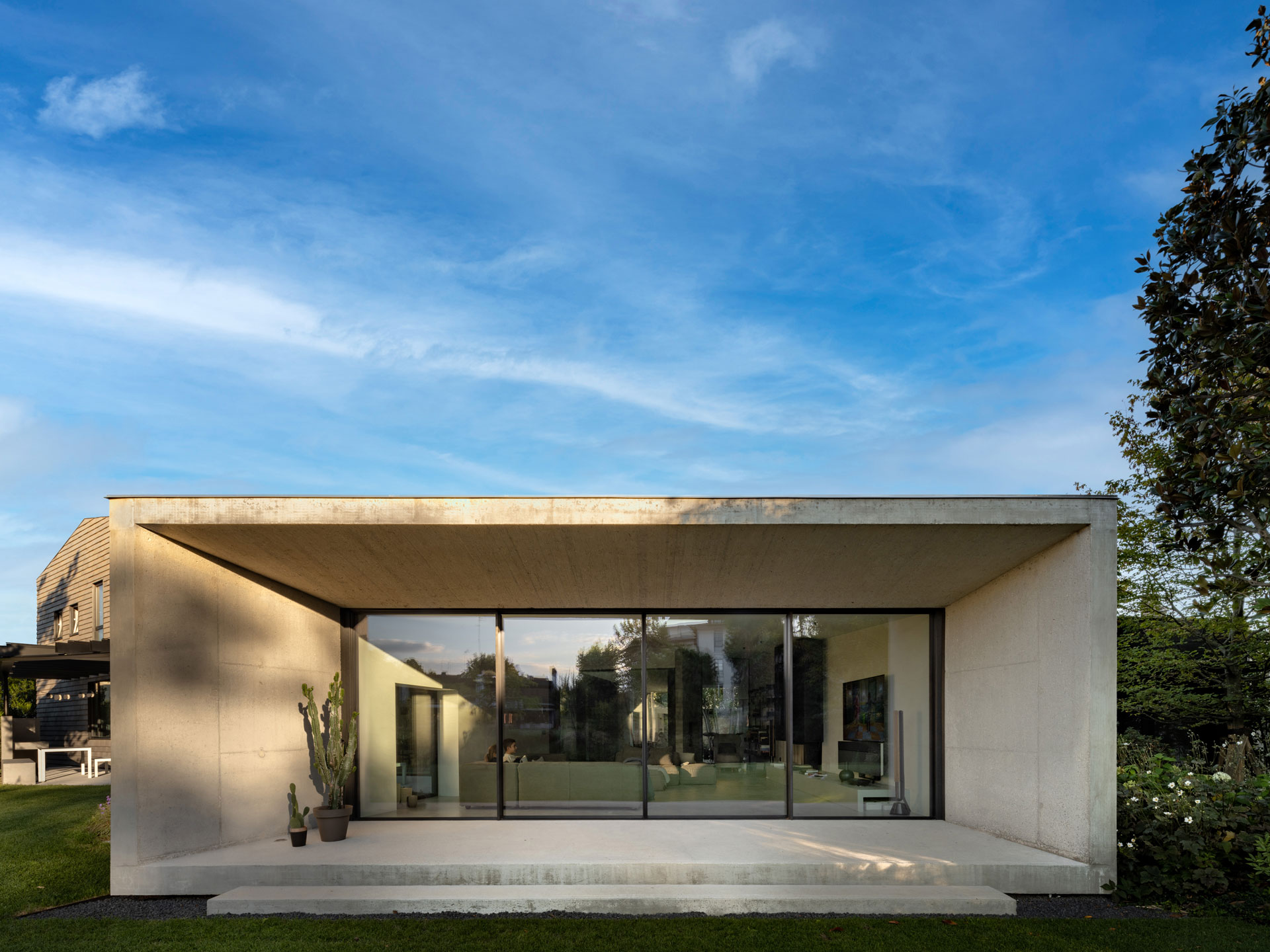
When Francesco Perissinotto, the architect responsible for the Riverside House project, approached Germano Agostini, he presented a design scheme defined by a distinct form, aesthetic character, and seamless integration into the environment. Situated on the banks of the Sile River, outside Treviso, the building design boasts a serpentine-like layout to take full advantage of the view, with a large porch ‘framing’ the riparian landscape and simultaneously respecting its naturalness by decreasing the height of the facade. For Perissinotto, the choice of the Orama minimal frames was “a one-way-choice,” and so was Agostini Group’s ability to interpret and amplify our design. He continues, “there are two strengths of the minimal frames: their highly technological essence and seamless character. The large windows and the formal elegance of the frame have contributed extremely well to the need to frame the wide views, creating a visual continuity between interior and outdoor.”

House in the Riverside, Treviso, Italy, 2022. Marco Zanta Photography

Concluding our conversation, Germano Agostini describes a visionary as “someone who treats each challenge with broadened observation; circular vision. He never stops and can see beyond the ordinary, much like a chess player who can think of many moves ahead.”


#6 Pieris.Architects, Greece

“…Visionaries are free thinkers, dreamers, and problem-solvers; people who channel their vitality and energy to master their abilities to create better worlds for others.”


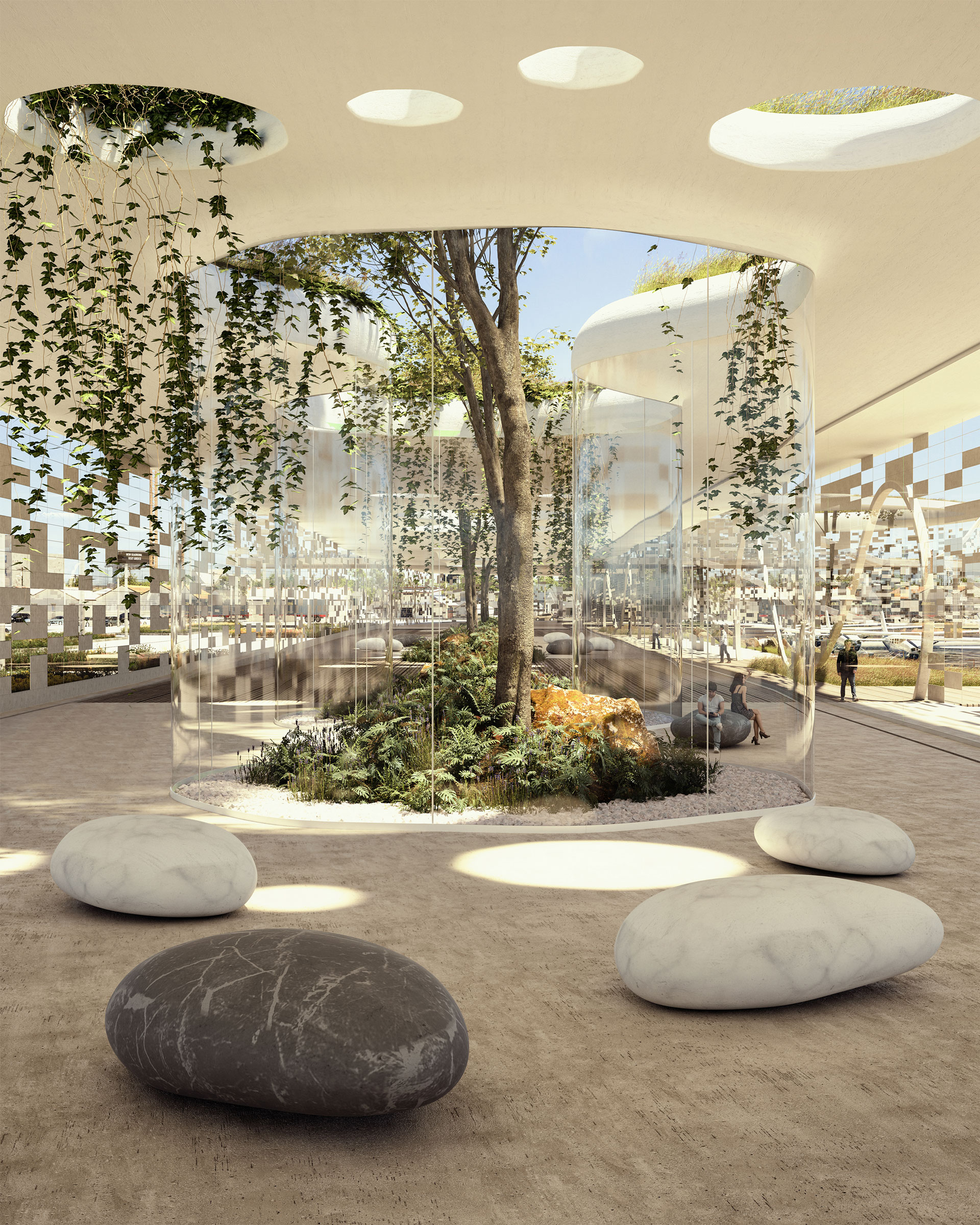
Stella Pieri and Pieros Pieris are partners of Pieris.Architects. They create buildings with “eco-emotional intelligence”—a term they invented to describe their design philosophy—meaning spaces that inspire users’ respect for the natural environment and meet their needs in harmony with nature. In 2004—when Stella and Pieros returned from their studies in England and founded Pieris.Architects—they set up a thriving full-service firm, imbued with an extrovert spirit and a mission to create architecture that enhances people’s quality of everyday life.


“We enjoy working on buildings of different types and scales and we always follow a performance and information-driven design process that takes into account the urban, natural, and cultural context of each project,” explains Pieros. “Our work is the result of extensive research, playful experimentation, and intellectual manifestation.”


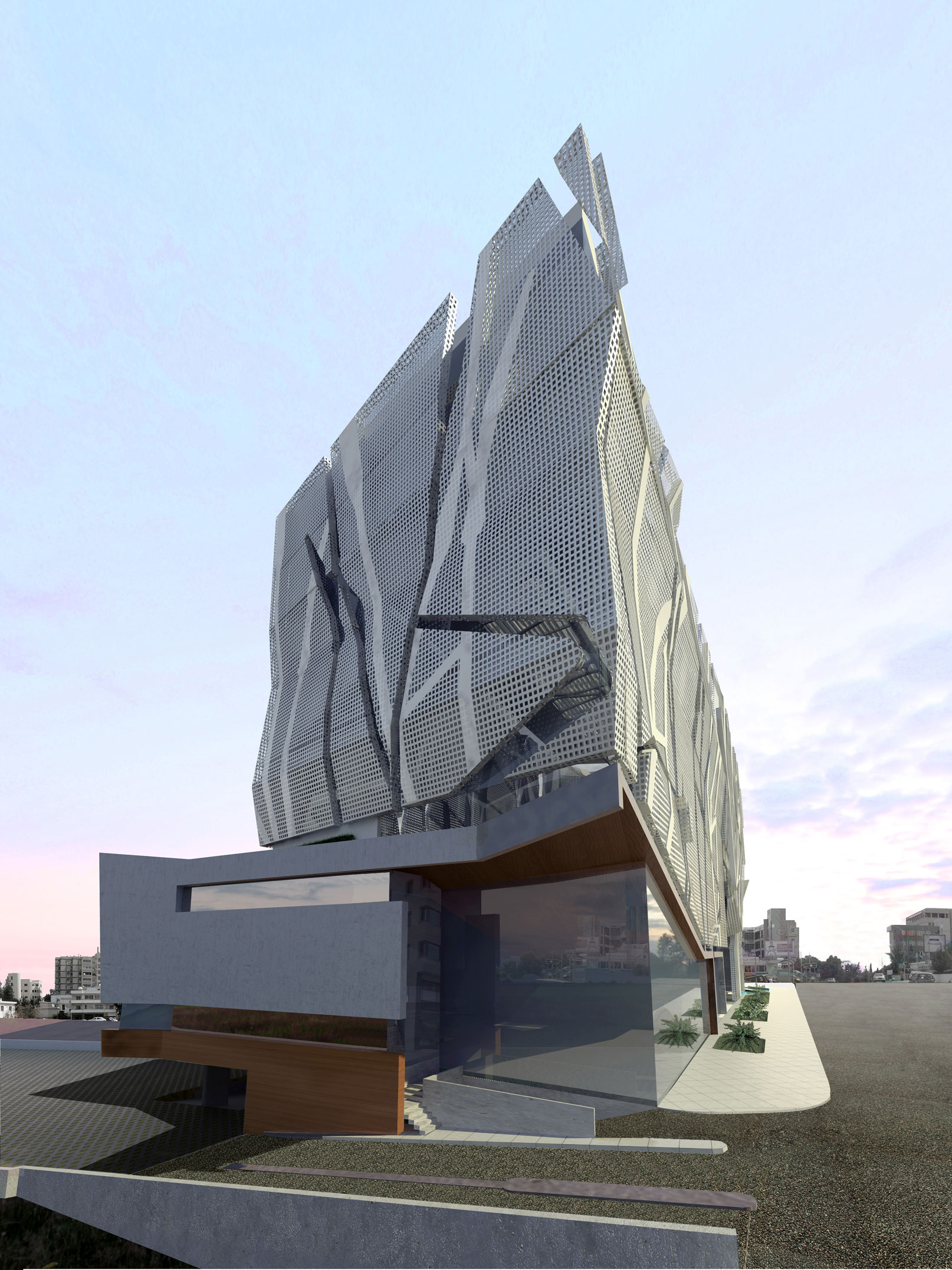
Cooperation Bank Headquarters, Nicosia, Cyprus

Architecture: past, present, and future(s)


Developing further a grand architectural legacy—inherited from Constantinos Pieris, their father who established their architecture firm back in 1976—they went on to achieve a radical mutation in the practice of architecture, making their mark with their passion for sustainability, their appreciation of cutting-edge materials, and their perspective on the future.

Stella Pieris & Constantinos Pieris, Athens, 2022

Stella is a firm believer that architects have the ability and the responsibility to design for the present and the future; to respect and protect the natural environment, as its role is essential to human health and well-being.

“At Pieris.Architects, we strive to deliver pioneering projects with a greater positive environmental and social impact; projects that incorporate modern technology in unexpected ways and act as catalysts for growth”.

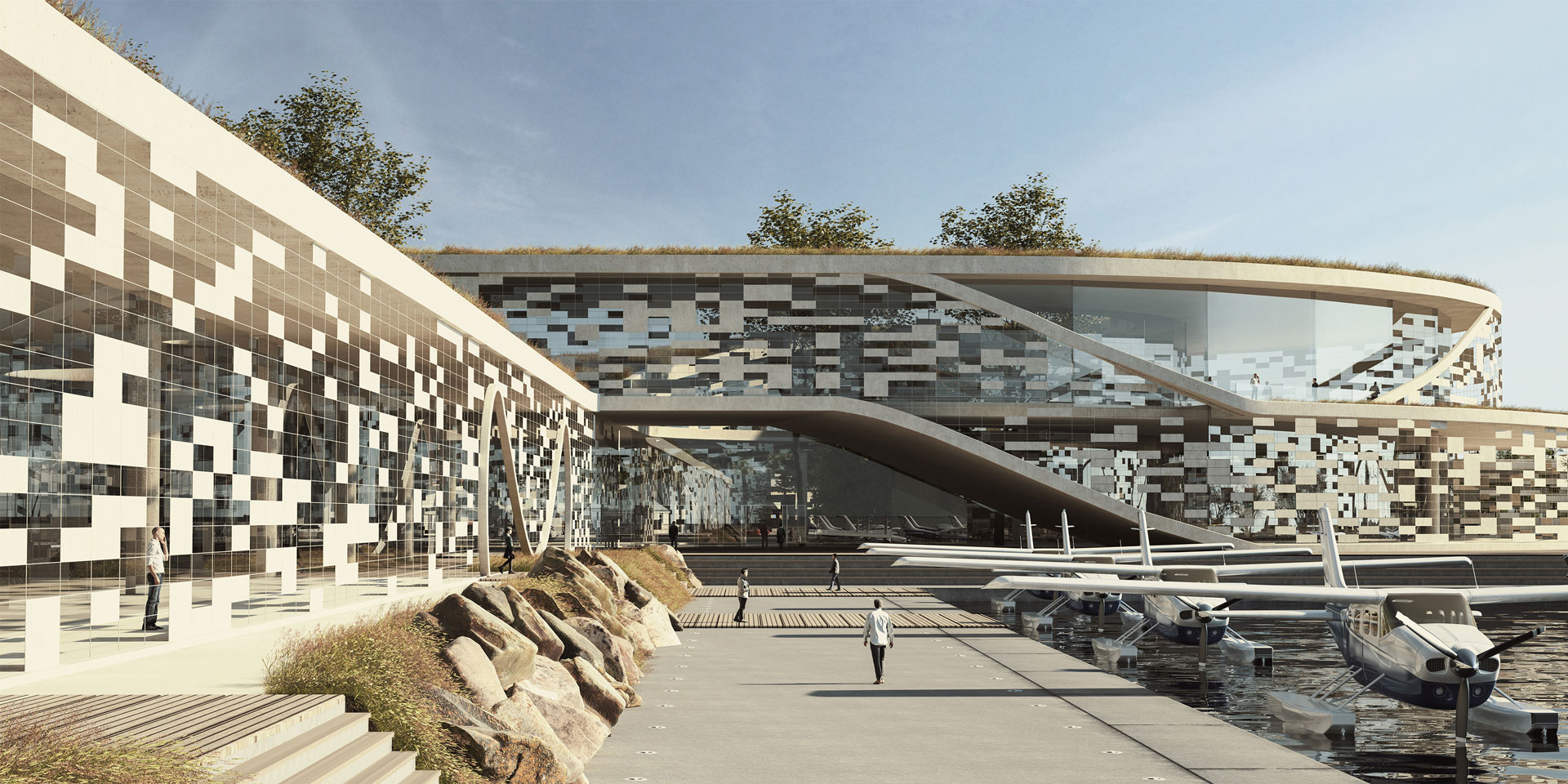
Metropolitan Seaplane Port, Eleysina, Greece


Encompassing complex systems and ethics.


On one level, Pieris.Architects are being called upon to design buildings that respond to substantial challenges. Clients from different countries and backgrounds trust us with the design of houses, apartment complexes, and office buildings, but also other building typologies with complex operations, such as the Attica Metropolitan Seaplane Port, hotels, and medical facilities among others”.

Their architecture, however, isn’t merely shaped by the trends and developments in the sustainability realm. It rather integrates them while serving the current societal conditions and deliberating what one is leaving behind for those that follow.

Metropolitan Seaplane Port, Eleysina, Greece

But how can architecture respond to fast-evolving situations or even prepare to cope with what is not wholly apparent? In Pieros’ mind, “architecture is indeed a field where change can be slow. In a way, this makes sense if you consider that it can take years from concept to execution for a new building to rise. Nowadays, however, change is happening at an unprecedented pace; global warming, the war in Ukraine, and the pandemic are just some examples of a world in flux.

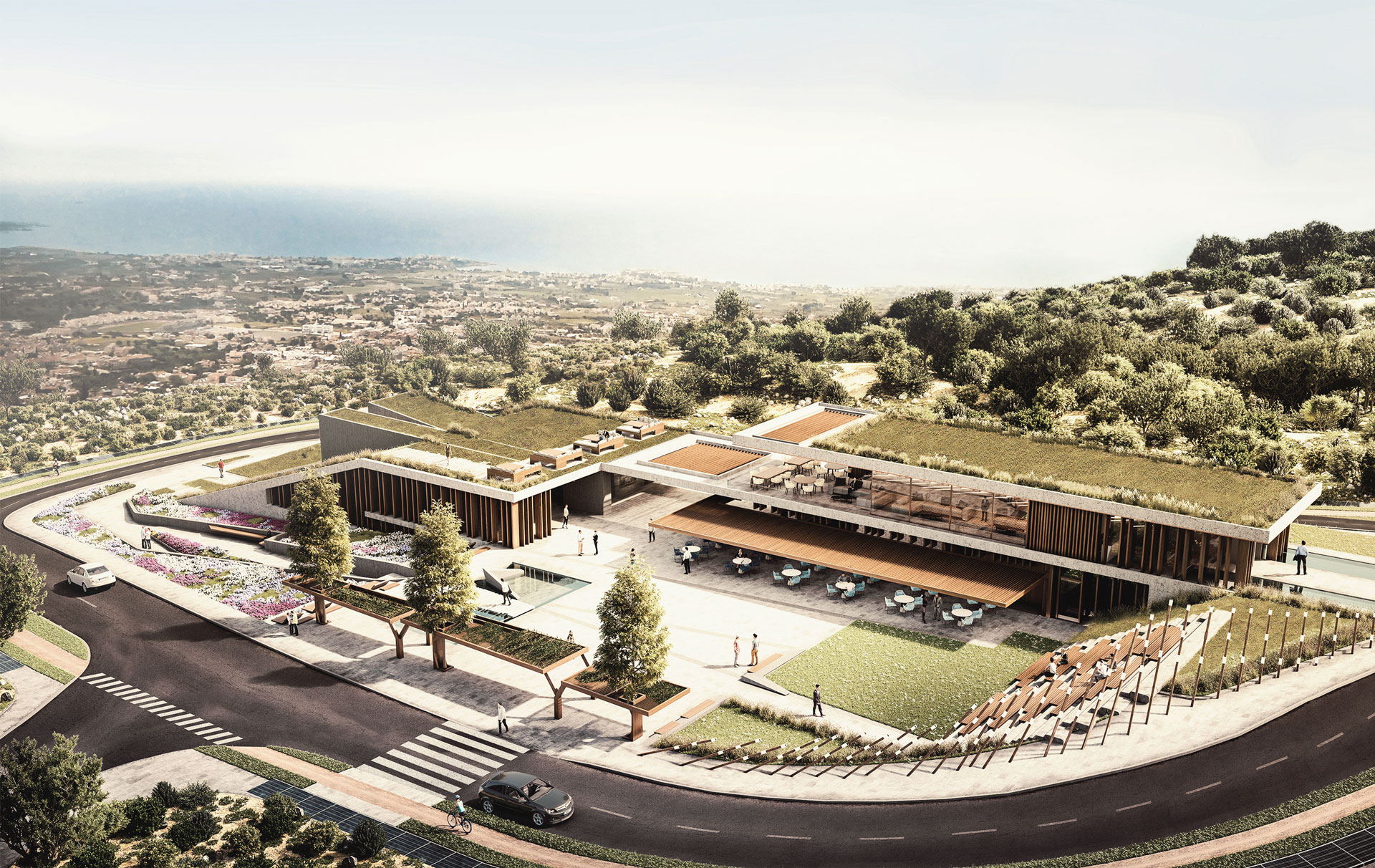
Aetheria Heights Plaza, Peyia, Cyprus

In response to these changes, architects are being called upon to reshape the building environment ranging from education, workspace, community, housing, and anything that the last few years’ challenges have touched and transformed. So, as architects, we need to be endlessly curious and open to change, with the ability to retain as much flexibility as possible in thought and practice – in other words, we must go beyond the traditional means of design, finding new ideas as soon as they appear and new ways to give them a public platform.”


Stella & Pieros Pieris during the interview, Athens, 2022

Visionaries are leaders and dreamers.


In this context, this expansion of the ‘playing field’ is urging architects to ask harder questions and take responsibility for the strategic role they increasingly play. So when asked what makes a visionary, Stella describes a person “who can conceive a finer version of an existing situation and use this as a driving force to bring change in people’s everyday lives; someonewith determination, resilience, persistence, and complete belief in themselves and their purpose,” and Pieros fittingly adds that “visionaries are free thinkers, dreamers, and problem-solvers; people who channel their vitality and energy to master their abilities to create better worlds for others.”


#5 K-Studio, Greece

“…in order to be a visionary one needs to be able to imagine a positive future, to have stamina and a good team by his side; a person who plans, makes the effort, and works around obstacles in order to reach his goals.”


It all started around 2002 when Konstantinos Karampatakis and his brother Dimitris decided to launch a “design practice rooted in Architecture” from their student flat in London. Since then, K-Studio has evolved into a practice of 75 people with a list of impressive residential, leisure, and infrastructure projects in destinations as varied as Mykonos and the Peloponnese, Israel, Qatar, Turkey, Panama, and Kuala Lumpur.

It may seem as if Konstantinos had his life’s path mapped out for him from an early age. His parents —both of them architects— used to take him and his brother to different construction sites as a weekend family activity. “It’s almost as if they were planting the seeds way ahead; so, when we started thinking of our undergraduate studies, architecture was something that just came so naturally to both Dimitris and myself.”


A hub for all things creative


While the element of collaboration has been there from the very beginning, it has grown steadily with the firm taking on more significant projects and expanding into other architectural sectors. “Our aim is to have our studio functioning as a central hub; we’ve always been keeping conversations going with larger and smaller architectural firms and specialist design experts, sharing ideas and knowledge, and combining our practices to add value. For us, the rationale for collaboration is always quality and creating the right conditions in order to deliver projects of the highest standards.”


Vora, Santorini, Greece, 2018. Photo by Stale Eriksen


A detective-like approach to design


Konstantinos believes that in order to design buildings that merge light, wind, topology, human needs, and intentions into a holistic approach, an architect must display the ability to think analytically and to have the kind of mind that is constantly seeking to find ways to fix problems and overcome challenges.


Barbouni, Costa Navarino, Greece. Photo by Yorgos Kardakis

“One could argue that each project we’ve been invited to collaborate and work on is —at least in the beginning— a collection of imperfect conditions. Some of them are obvious. Like having a location with strong winds and great views… what do you do when the views are so great? Or, how do you stop the wind from hitting the building face-on?” 

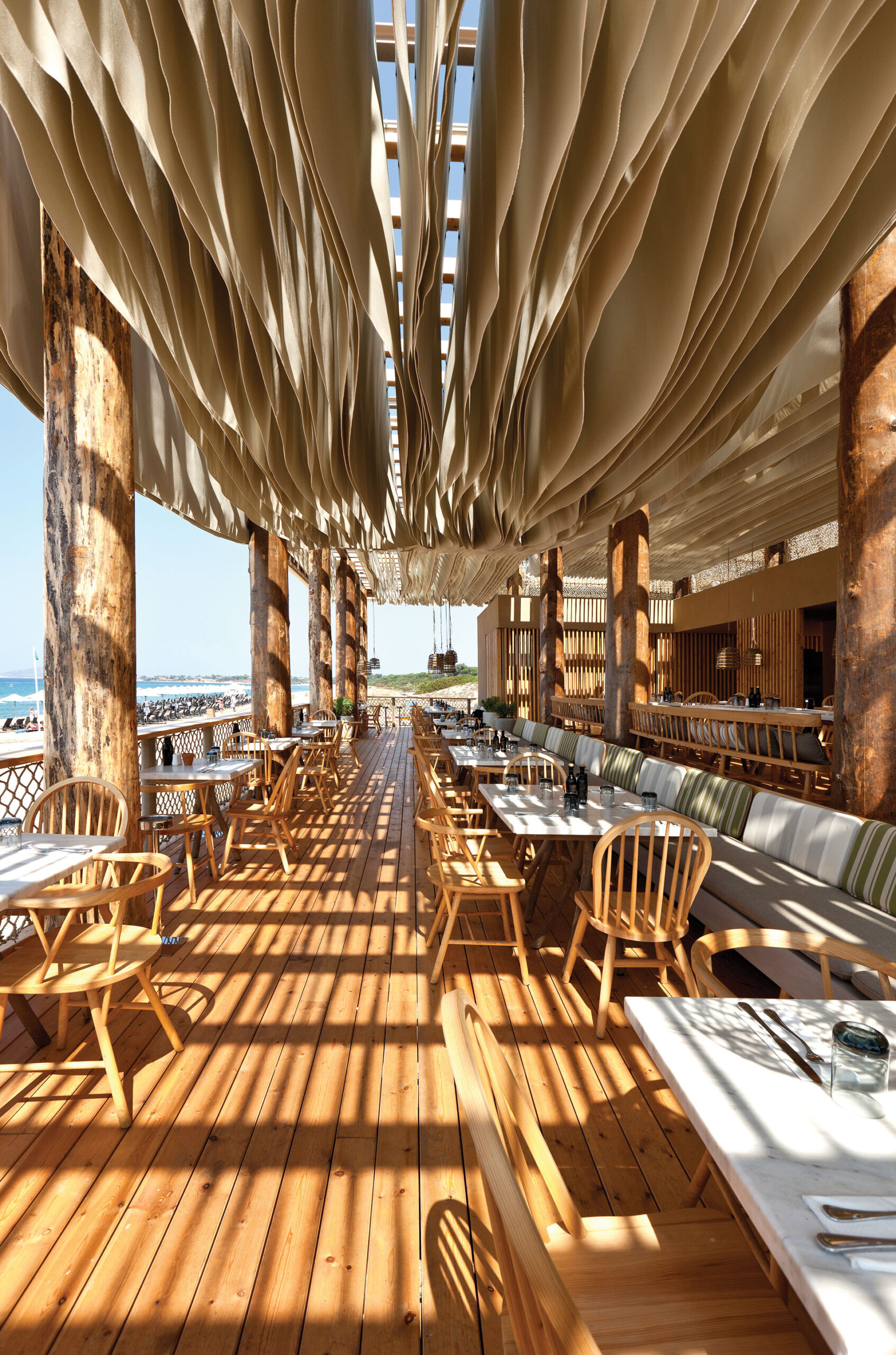
A good example of such a project is the Barbouni beach restaurant in Costa Navarino, K-Studio’s first collaboration with TEMES Group, a leading investor, developer, and operator of high-end tourism and real estate destinations in Greece. “Keep the views, stop the wind” was one of the client’s main requests but K-Studio came up with the idea to “keep the views, use the wind”. The structure of the building is formed by a grid of natural wooden columns. Over the dining area, an inverted field of hanging fabric sheets forms a canopy that sways soothingly in the dissipated wind, allowing air to circulate and the space to stay cool.

“Each project has its own quirkiness,” says Kostantinos. “The first thing we do is try to think like a good detective. We break down all the parameters of the project —what is good and what needs to be reevaluated. Then we investigate every aspect of it creatively.” 

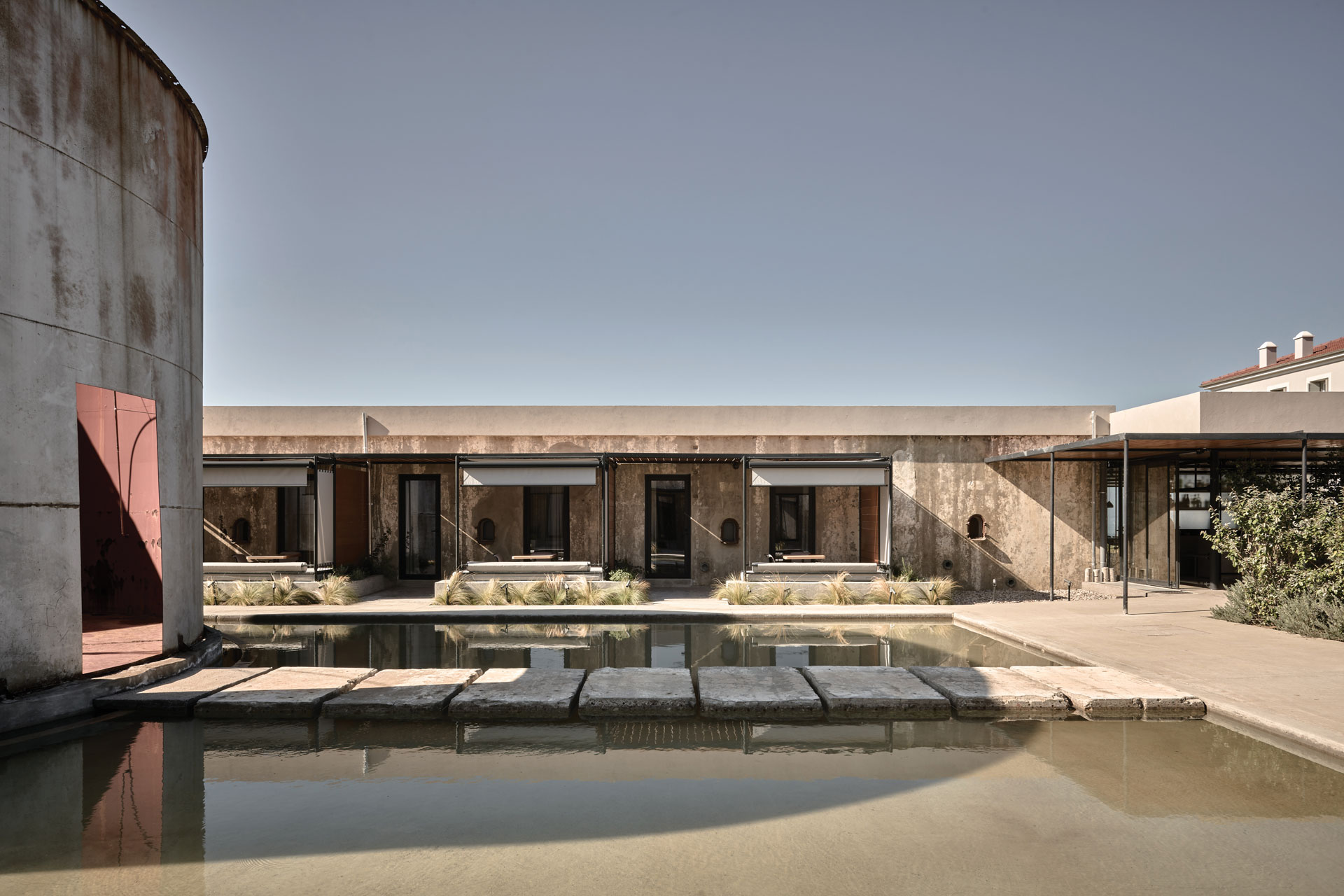
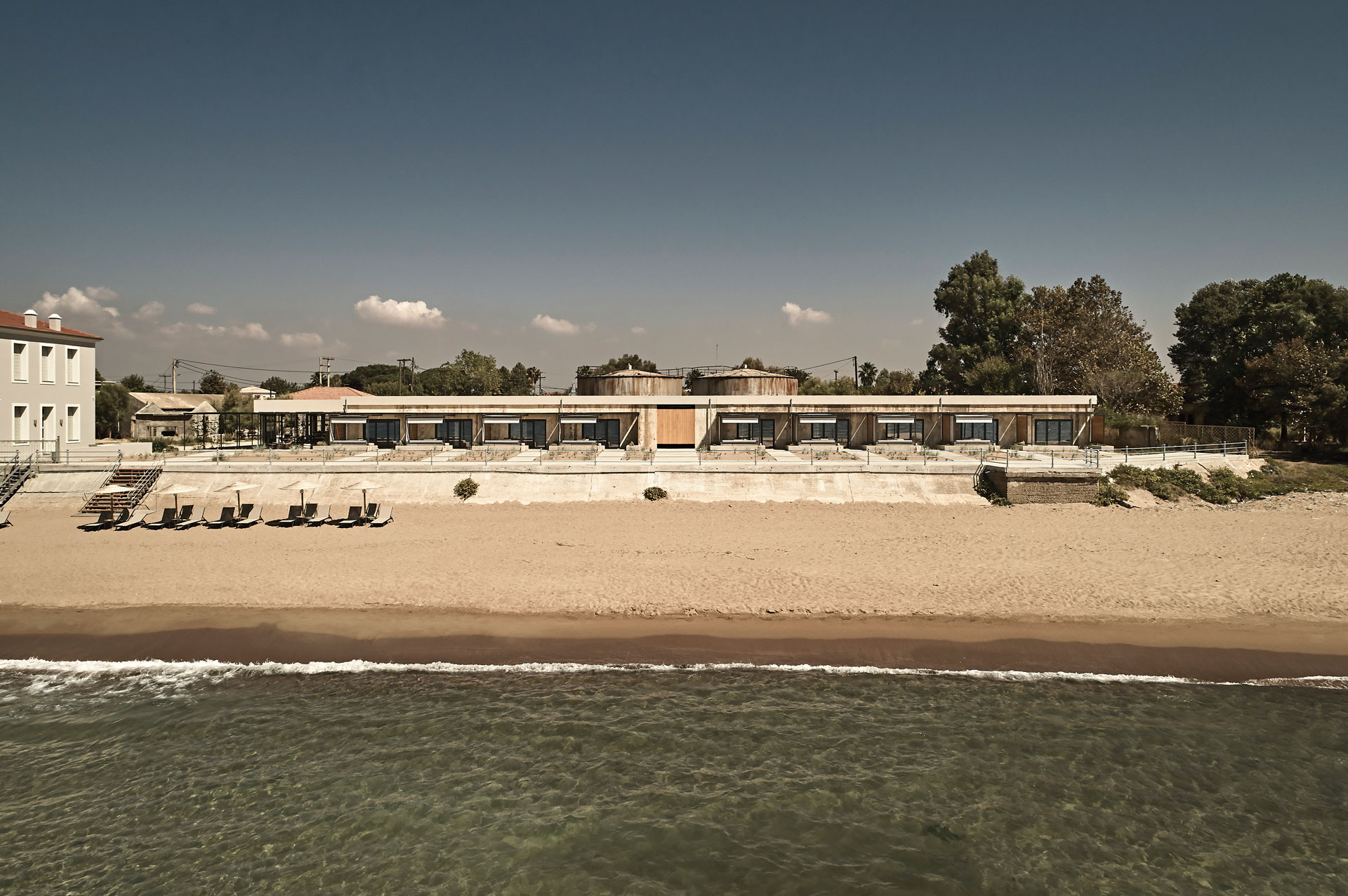
Dexamenes, Kourouta, Greece. Photo by Claus Brechenmacher & Reiner Baumann

Sometimes, doing less is even better


If the past two years have taught us anything, it’s that we cannot possibly anticipate what the world will look like even in five years’ time. But that doesn’t keep Konstantinos and his team from looking to the future, rethinking the way things are done, and coming up with fresh ideas to deliver long-term value.

“I am optimistic because I believe that technology will bring a merging of knowledge and expansion of the mind, allowing us to better understand nature and ourselves. I also believe it will bring forward the need for more sustainable building projects. I am hopeful it will shine a light on the things we don’t do so well. It can teach architects to be less extravagant, less invasive, and a little bit more thoughtful; because bulldozing your way through and building something from scratch is not always the most energy-efficient way of doing things.” 

This “treading lightly” philosophy is evident in the way K-Studio approached the project of Dexamenes, a seaside hotel that opened in 2020 at the site of an abandoned old wine factory in western Peloponnese. “From the outset, it was clear that the strong history and raw beauty of the existing buildings should not only be preserved but showcased in a design that would breathe new life into their walls. I can safely say that the success of this project lies in what we didn’t do; in what we preserved and what we reused.”


Shared Beliefs, Shared Goals


With regard to their current projects, K-Studio has been working alongside Tombazis & Associates Architects for the design of the Mandarin Oriental 5* hotel at Costa Navarino, the first property of the Mandarin Oriental Hotel Group in Greece, due to open in 2023. “ This project has proved a great challenge for our practice, mostly because of its size and ambition. But it’s been wonderful working with Tombazis & Associates Architects and we have learned so much from this collaboration.”

Dexamenes, Kourouta, Greece. Photo by Claus Brechenmacher & Reiner Baumann

For Konstantinos, the importance of collaborations bound by shared beliefs and goals is indisputable. “When different people —or in our case, clients, architects, and contractors— are united around a common cause, it’s indeed, something very special. Such is the relationship we have with Orama Minimal Frames. During this project, with seamless transitions between inside and outside spaces being of the utmost importance, we became truly aware of Orama’s great understanding of window systems, their eagerness, and skill to rethink things in order to cater to architectural needs.”

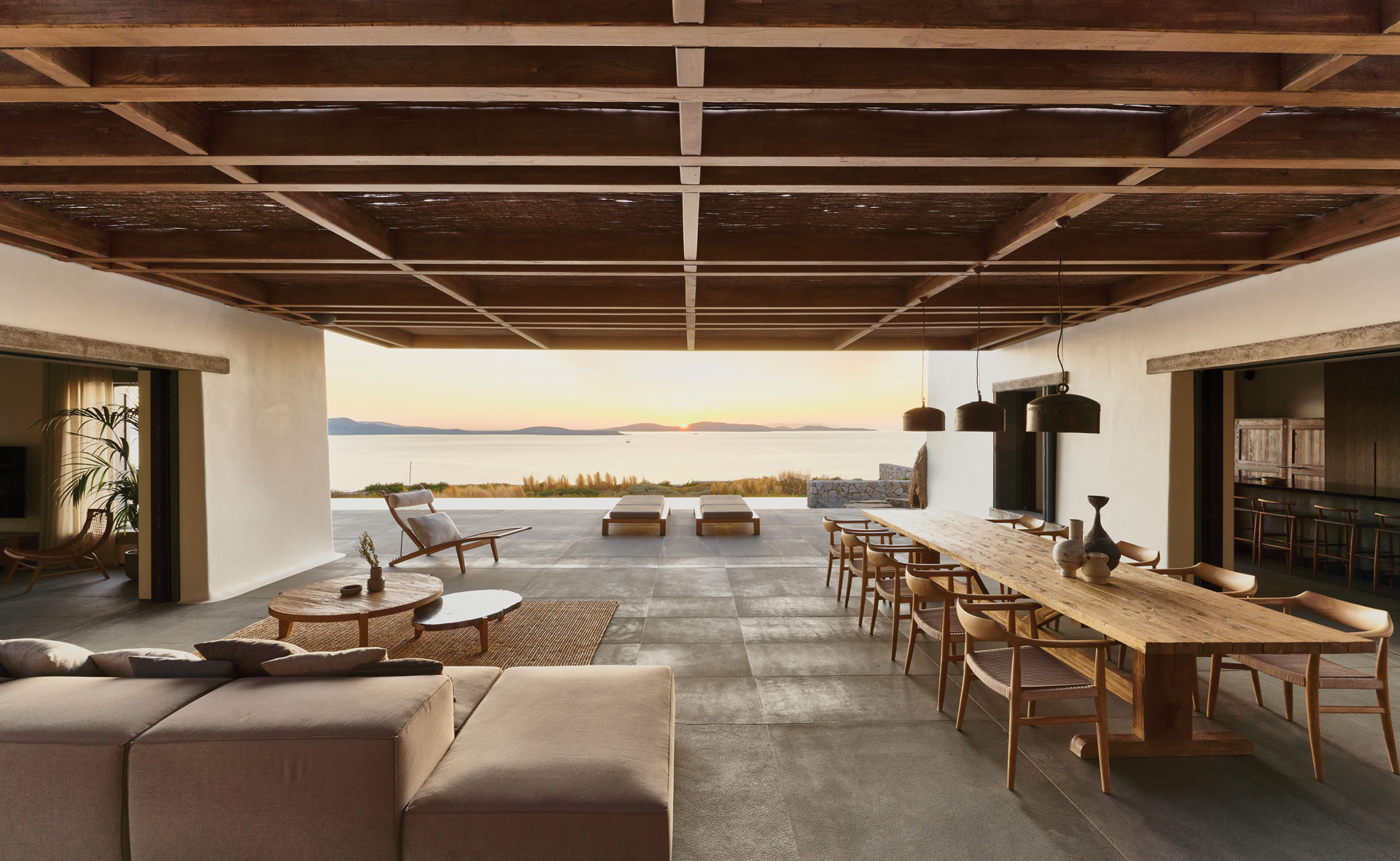
Villa Mandra, Mykonos, Greece. Photo by Claus Brechenmacher & Reiner Baumann


A visionary is someone with a positive outlook


“Architects live in a different time zone than most other professionals, because it takes digitally, physically, practically, and mentally such a long time for a project to come to life. So, for me, in order to be a visionary one needs to be able to imagine a positive future, to have stamina and a good team by his side; a person who plans, makes the effort, and works around obstacles in order to reach his goals.”


Konstantinos Karampatakis, Athens 2022


#4 VIEW & Archipl Architects, Belgium

“Our work is about continuing the history of an existing site and bringing value to all its scars.”


Brecht De Geest, is co-owner of VIEW and Orama’s business partner for Belgium. In this edition of the VISIONARIES he joins architect Patrick Lefebure from Archipl Architects, to talk about the transformation and repurposing of the historic Hanet Castle in Ghent, Belgium.


Joining longevity and innovation


Ghent —or Gent in Flemish, Gand in French— is Belgium’s fourth-largest city with a vibrant, even quirky history. It is the city that once controlled Europe’s lucrative textile trade and the major river routes to the North Sea; it is where Jan Van Eyck created ‘The Adoration of the Mystic Lamb’ one of the most significant works of art in Europe, and finally, it is the city that Prince called “the funkiest place in the world.”

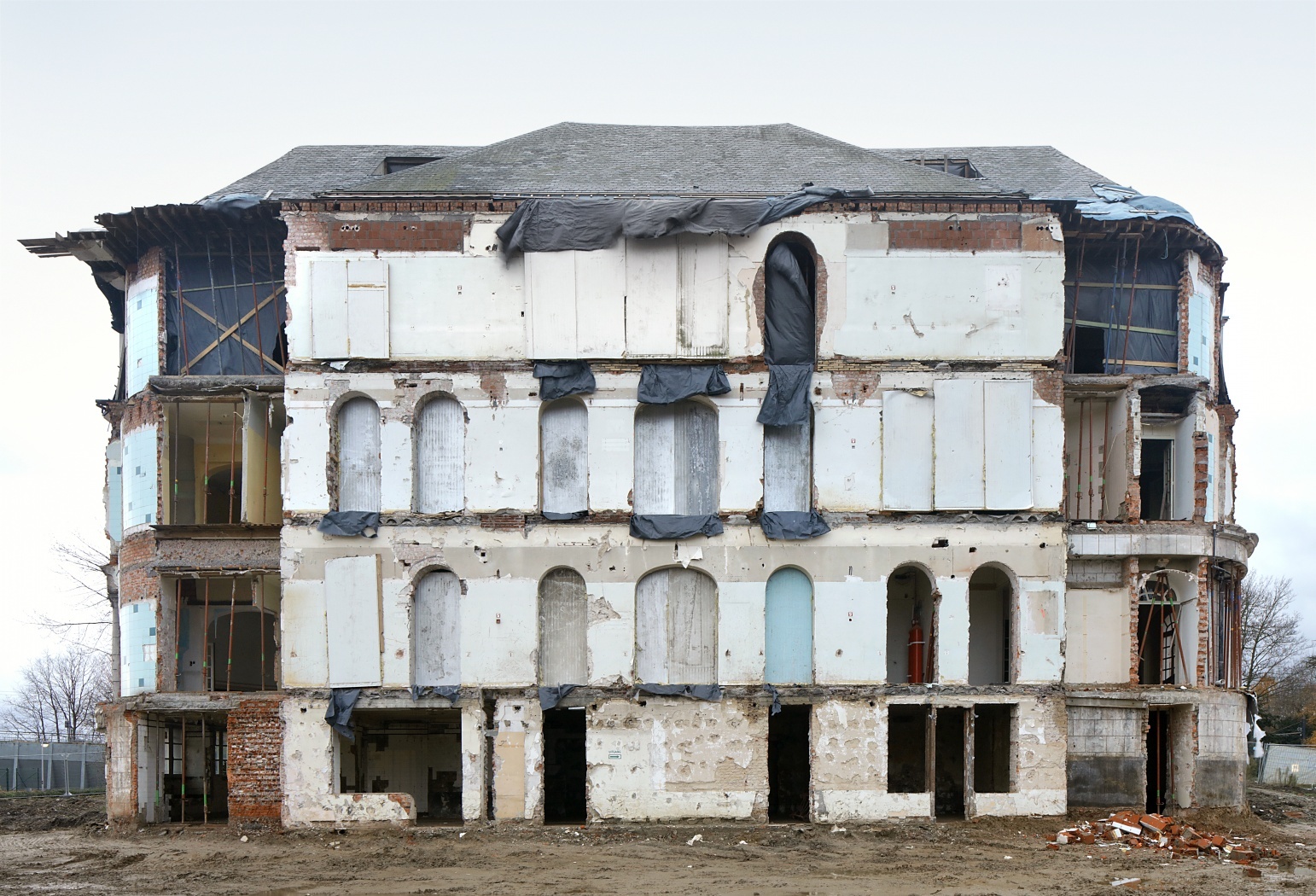
Kasteel Hanet, Ghent, Belgium

The historic Kasteel Hanet was built originally in the outskirts of Ghent and began its life as the residence of alocal textile baron. In 1934, it was purchased by the Cistercian nuns and converted into the renowned‘Maria Middelares’ hospital.


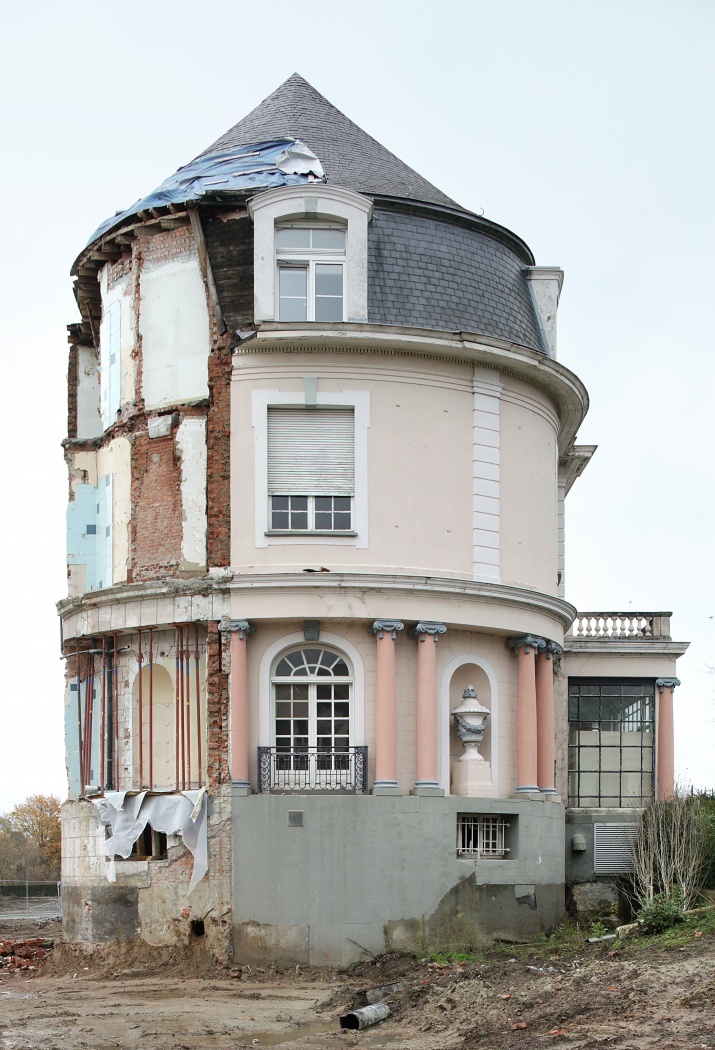
Kasteel Hanet before building conservation & repurposing. Photo by Archipl Architects 

“Being based in this unique city, we are quite familiar with historic building conservation and repurposing; with working to connect the past and the future,” Patrick Lefebure tells Brecht De Geest at the beginning of their conversation. “In this sense, our work is about continuing the history of an existing site and bringing value to all its scars.”


Kasteel Hanet before building conservation & repurposing. Photo by Archipl Architects

This was particularly true with this site. By 2015, when the AZ Maria Middelares hospital moved to its new premises, the building of Kasteel Hanet had undergone numerous alterations on various occasions which had changed its appearance substantially. When Archipl Architects started working on the reconstruction of the decommissioned hospital and its conversion into a mixed use space, most of the original structure had already been torn down.

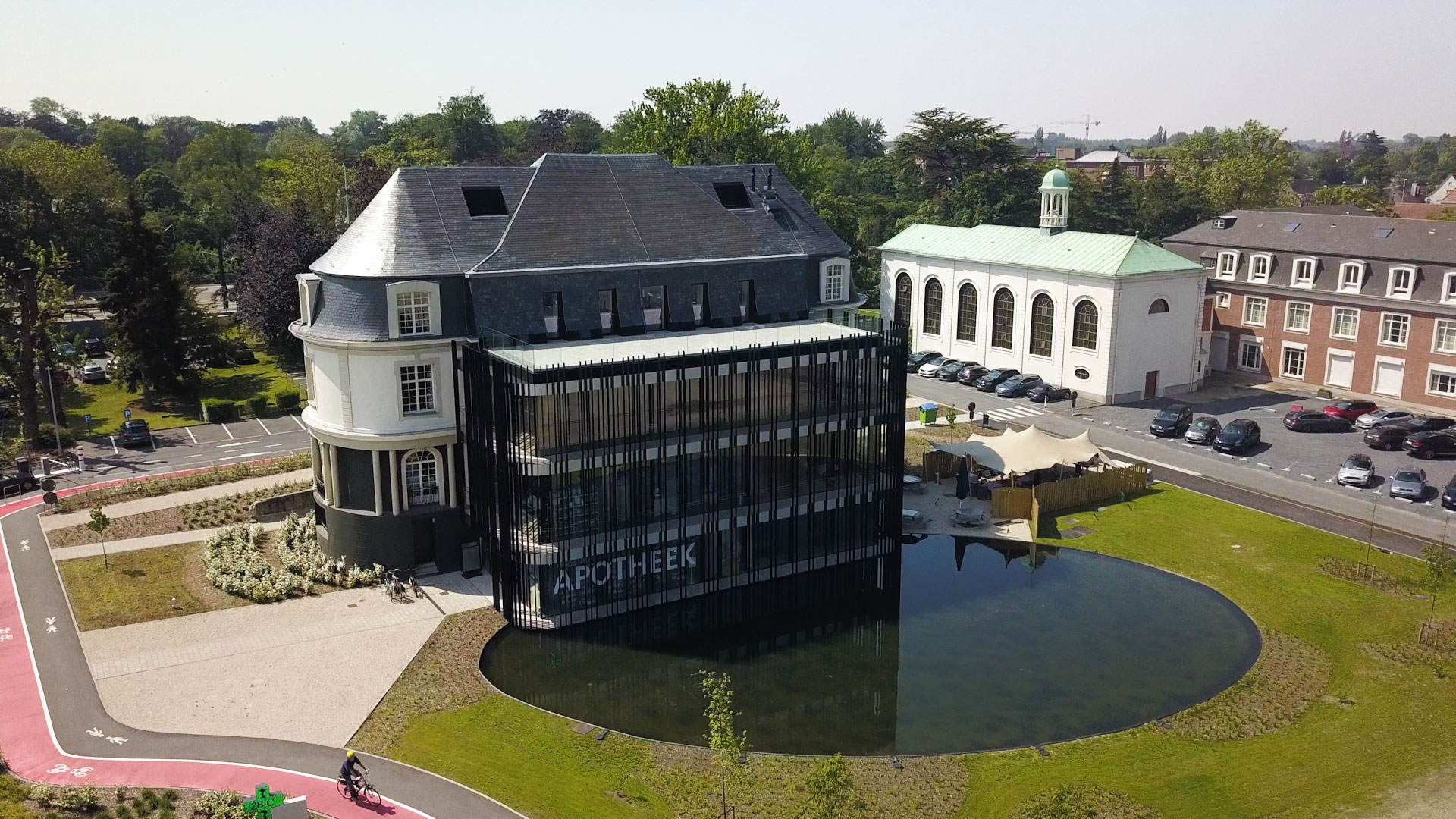
“Instead of restoring the building to an exact copy of its original state, we started to roll back time, so to speak, and deconstruct. The volume has remained the same, but we sort of amputated the rear side of the castle, resulting in a two-faced building, with one side proudly representing the past and the other, so to speak, looking into the future.”


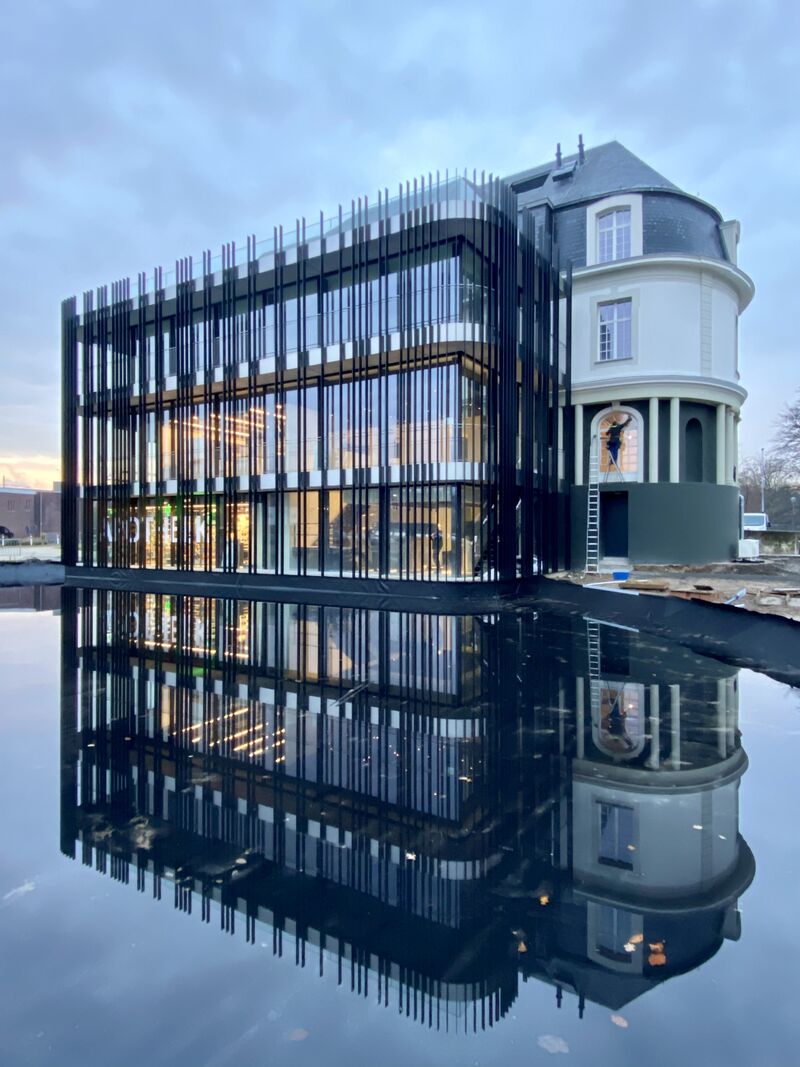
Kasteel Hanet after the building conservation & repurposing, Ghent, 2021

For the newly built facade, Patrick Lefebure and his team took inspiration from the old conservatories of the late-19th century mansion houses and designed a large orangery-like construction featuring a complex grid of metal pillars. “The building has a great orientation so the idea was to use glass panels that could fully open the windows in the evening sun and connect with the park. And so, we called upon Brecht De Geest and VIEW to realise this beautiful concept where the corner windows can be fully slid open.”

Kasteel Hanet, Ghent, Belgium. Open corner sliding solution by Orama Minimal Frames


Shift your thinking, change your perspective


Brecht de Geest & Patrick Lefebure during the interview, Ghent, 2021

Brecht De Geest and VIEW worked alongside Patrick Lefebure and his team to bring this project to life. “We have been working for a long time with Orama Minimal Frames.And in projects like Kasteel Hanet when the stakes are high and the deadlines imminent, we try to put all our knowledge and expertise into the hands of the architects to help them realize their aspirations.  On the other hand, Brecht continues, we are always looking forward to working with architects who will ‘stretch’ our standard way of working, who can make us shift our way of thinking. Most often, this type of collaboration benefits the design and the final result.”


People who are able to change their perspective, to reflect effectively and purposefully in order to facilitate ongoing personal and professional learning, practitioners who probe the boundaries of their profession and the possibilities it provides -those are the Visionaries according to Brecht De Geest. “Together, these people can build things that are renewing and inspiring for the whole community, much like the Kasteel Hanet.”


Kasteel Hanet, Ghent, Belgium. Photo by Archipl Architects

#3 Samer Noureddine, Gutmann Lebanon

“A visionary is someone who can touch people’s lives, even in small ways”.


Samer Noureddine, Founder and General Manager of Gutmann Lebanon, is Orama’s business partner for the Middle East. With a career that spans over 30 years and countless projects in Dubai, Qatar, Saudi Arabia, and Lebanon, he talks to us with intuition and insight about the role of architecture in the evolution of minimal frames and what it takes to move forward in business and in life.


The art of moving forward


“You either show initiative, or you don’t.” Samer Noureddine recalls the words of his first employer some 30 years ago when he called him into his office after his first few days at work. “This has been the single piece of advice that has impacted my career the most. Working hard and always being prepared; Following things through; Spotting and acting on opportunities; Keeping an open mind to new ideas and new possibilities.”

Five years ago, he took the same proactive approach and realized his long-term career dream by establishing Gutmann Lebanon. “Skill, flexibility, and courage are what pushes our team to innovate and to overcome challenges.” When asked what makes his company so successful, it became evident that Samer Noureddine has a deep understanding of what it means to provide the benefits your customers seek.


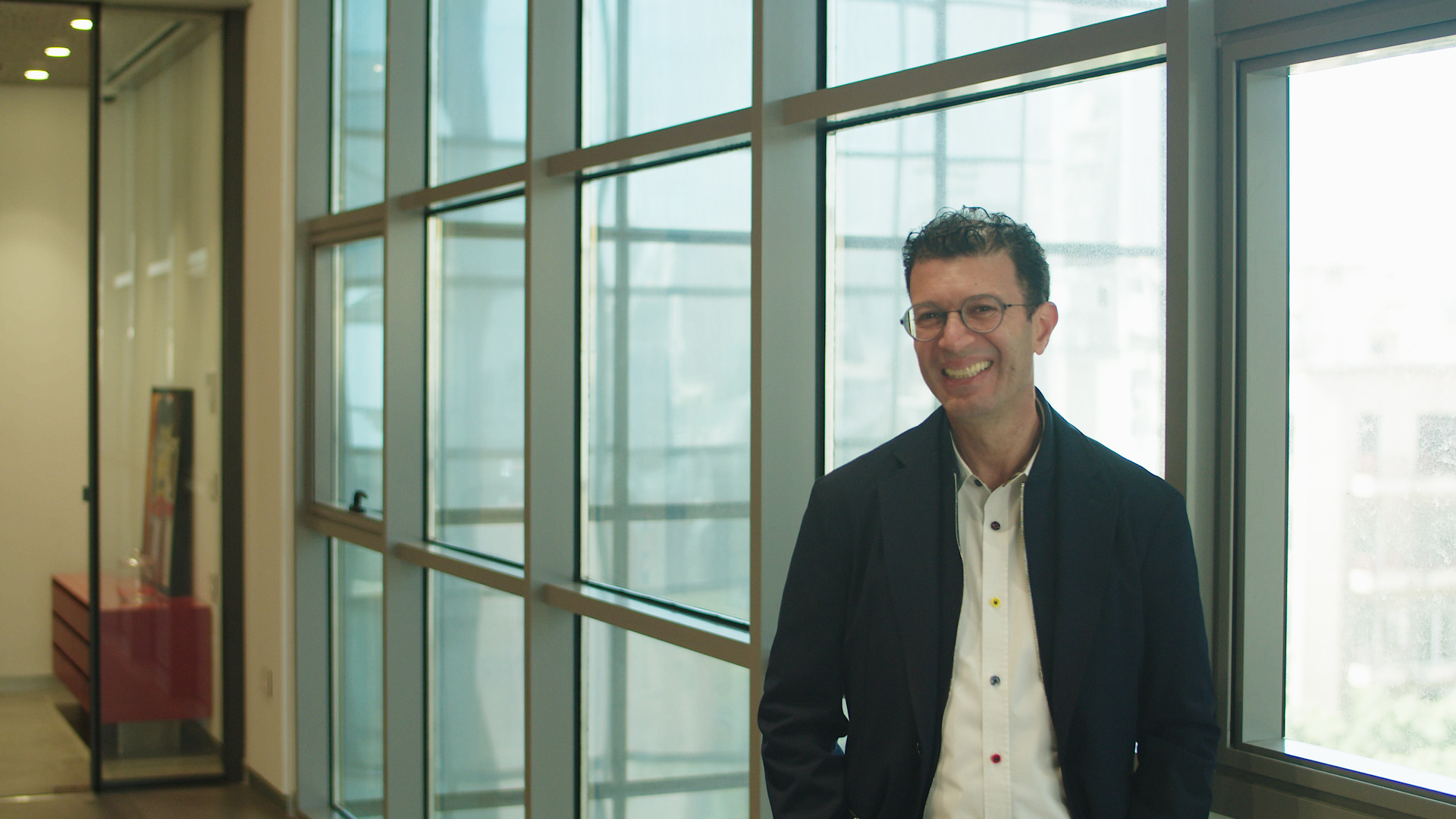
Samer Noureddine during the interview, Beirut, 2021


“We have a great product to offer to the construction industry. But quality is more than making a good product. Quality for us is primarily customer-driven, not technology-driven, production-driven, or competitor-driven.”


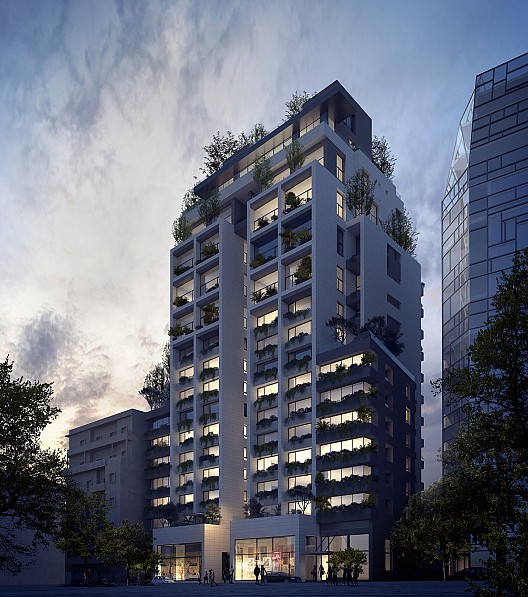
Saifi 477, mixed use tower, close to Beirut’s harbor. Designed by Mohamad Arayssi, Batimat Architects

To be dedicated to your clients, listen carefully to their requirements, and use your critical thinking and engineering skills to fulfill their vision, are traits that Gutmann Lebanon shares with George Tsimpikos, Francis Flamant and the Orama Minimal Frames team. “I have known George and Francis for a very long time, and I deeply admire them as people and as professionals. We have the same goals and values; We share our successes, but we also support each other through difficulty, challenge and change.”

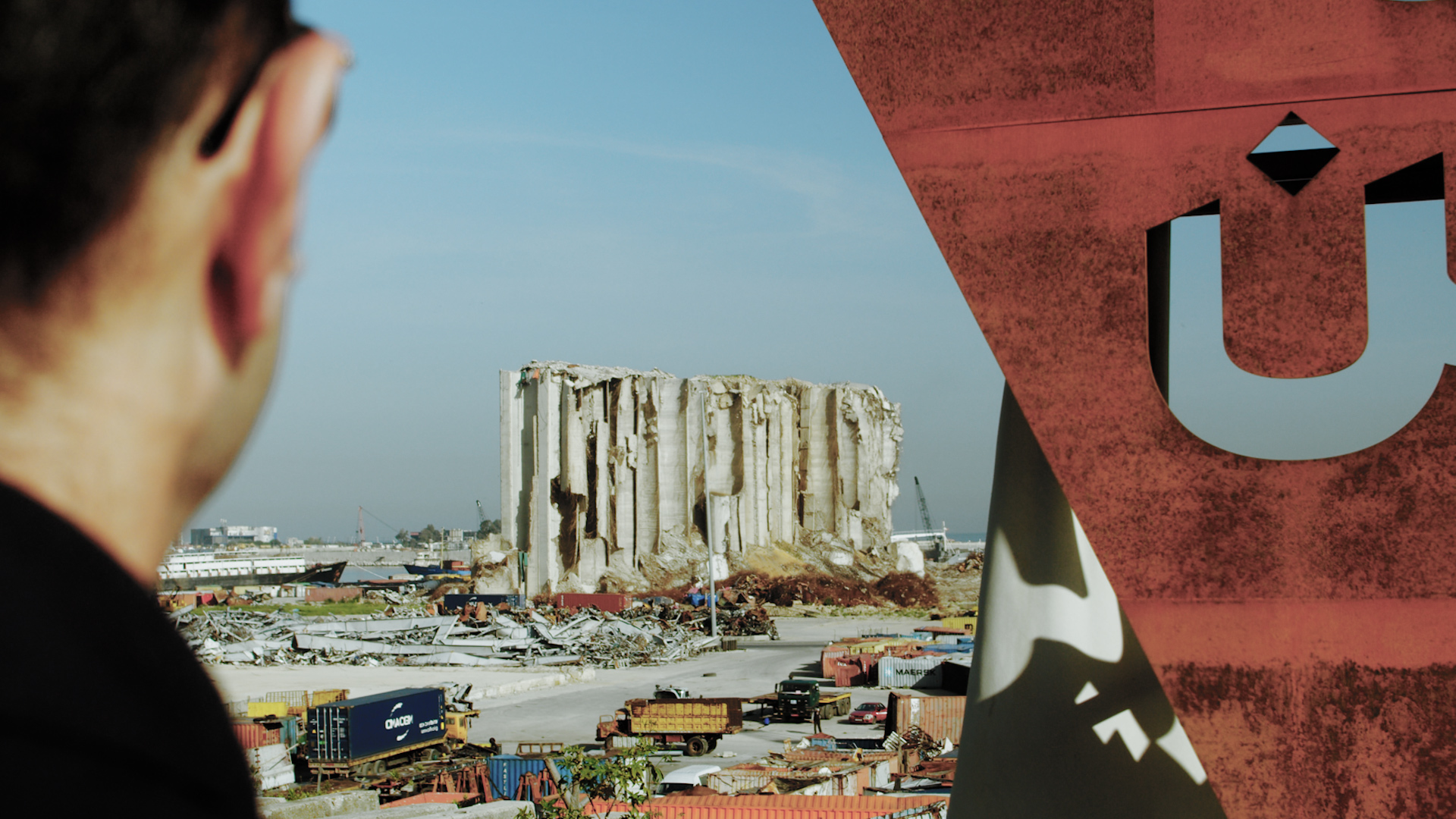
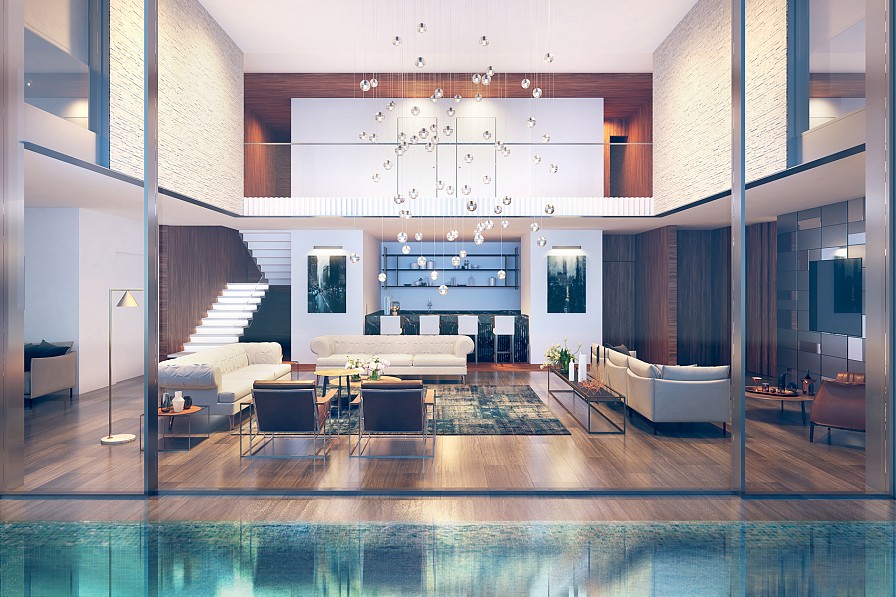
A double challenge that Gutmann and Orama Minimal Frames are currently facing together is the rebuilding of a 10.0 m by 5.5 m fully motorized minimal sliding facade of a penthouse in Beirut that got destroyed from the port blast on August 4, 2020. “It is ironic, but that’s life. One of the most challenging projects of my career so far, and I have to do it twice! But joking aside, the August explosion was a huge thing, a devastating thing. And Gutmann, the team, myself, everybody around us is helping in every way they can to rebuild our city.”


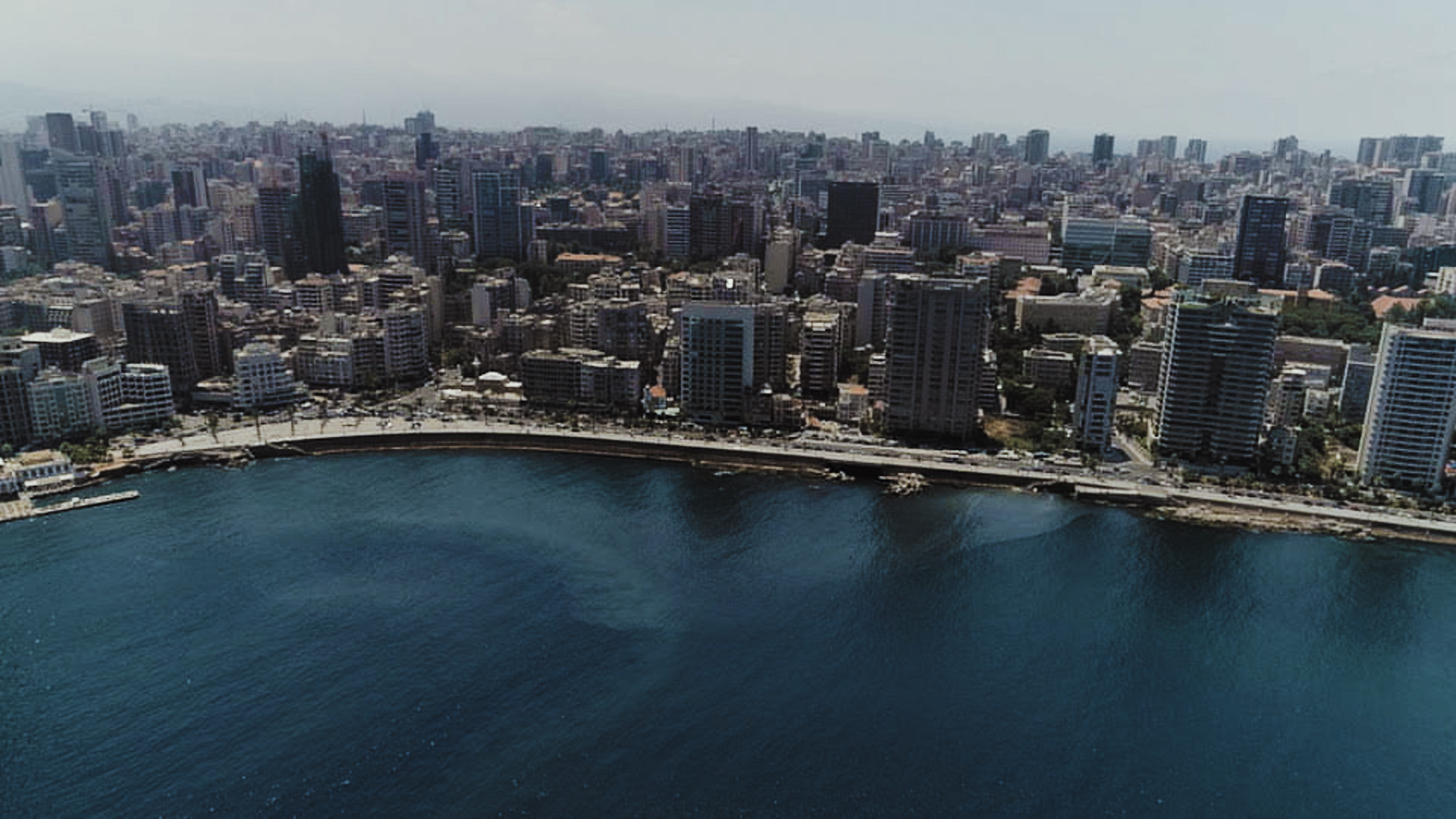
Beirut’s port after the blast of the 4th of August, 2020

A dialogue between performance and aesthetics


Samer Noureddine is a firm believer in the importance of collaboration between architects and constructors or facade designers. “Architects are a catalyst in what we do. If it wasn’t for their visionary designs, we might still be selling aluminum systems out of a catalog.” This continuous dialogue between aesthetic and performance driven invention is one reason Samer loves his job. “Architects conceive of something, and we enter this virtuous process of innovation and experimentation until we come up with the right solution. It’s a hard process, but when you see the finished product, it is such an amazing sensation.”

Saifi 477, mixed use tower in Beirut. Designed by Mohamad Arayssi, Batimat Architects

Starting up a business from scratch and building your team’s capabilities—their ability to innovate, to respond to customers’ changing needs, and to create more and different value with each new project they complete—is Samer Noureddine’s idea of a business visionary. On a more personal level, he believes that “a visionary is someone who can touch people’s lives, even in small ways.” And before concluding our conversation, he adds, “while we are on the soft side of things, I would recommend that people take it easy; Happiness and success rely on being humble, thinking constructive thoughts, acting with intent, and creating strong relationships with others.”


Samer Noureddine, Beirut, 2021

Gutmann Lebanon is the number one licensed partner in Lebanon for the Orama Minimal Frames systems.  Samer Nouredinne is currently collaborating with Batimat Architects and Mohamed Arayssi for the rebuilding of the Saifi 477 tower in Beirut, using Orama Minimal Frames.

Read the interview with Mohamed Arayssi from Batimat Architects 

#2 Batimat Architects, Lebanon

“We are all connected, even when separated by great distances”


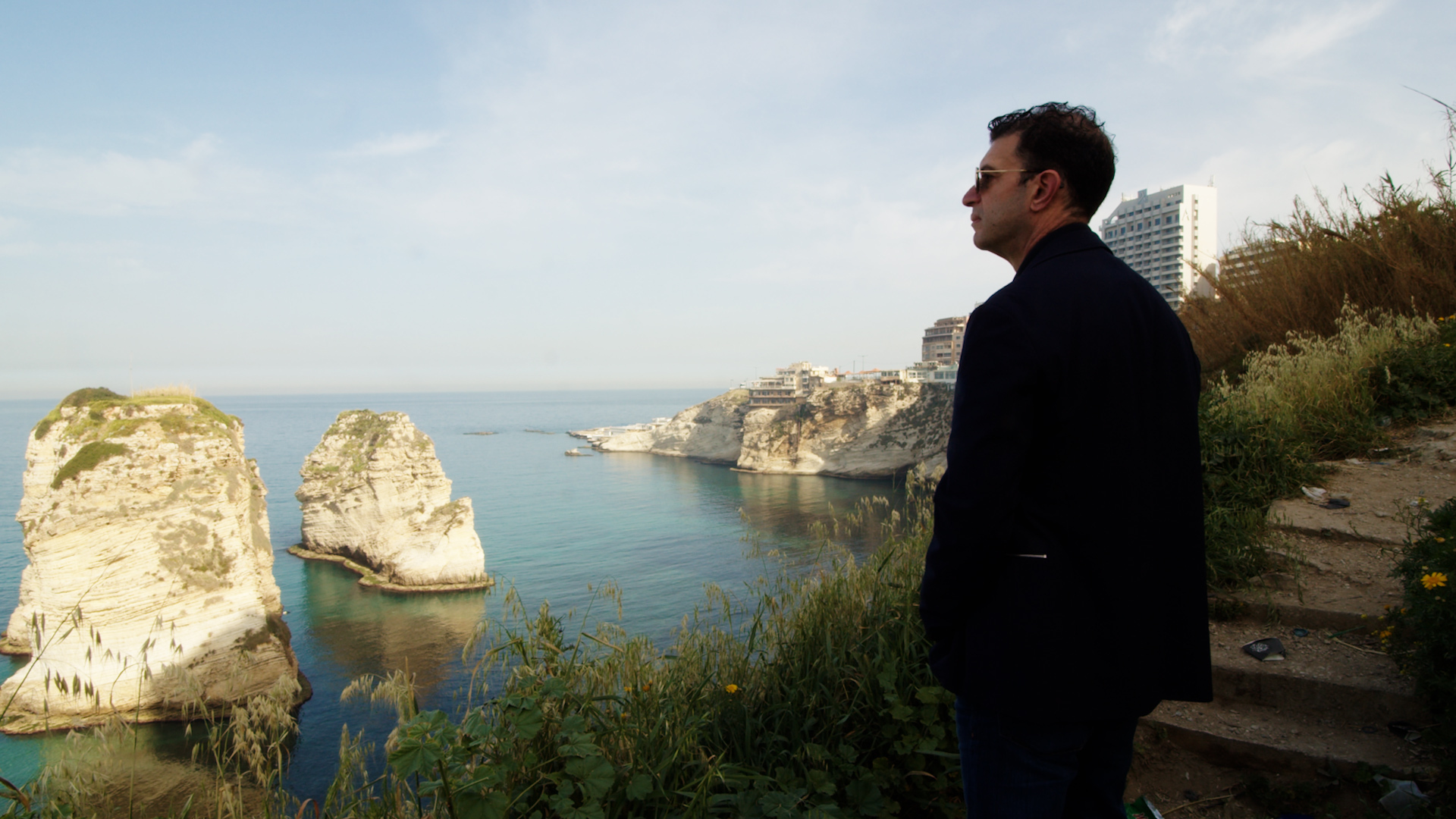
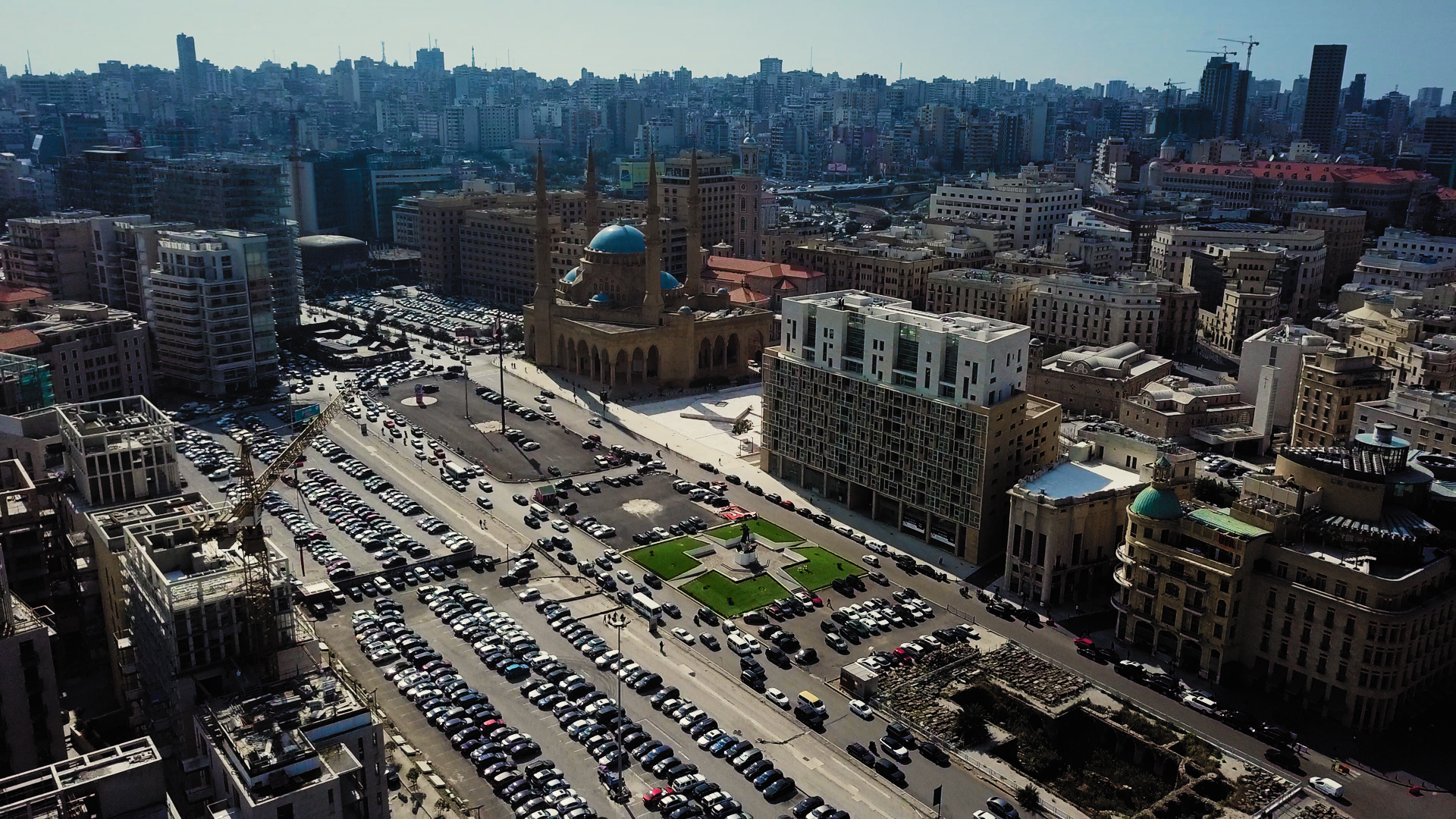
Mohamad Arayssi is Managing Director and Design Principal of Batimat Architects. He was born and raised in Beirut, the capital of Lebanon and one of the oldest cities in the world, a city that has emerged as a global center for culture and new architecture despite its turbulent history and ongoing political tensions. We met the architect in Paris where is currently living and had a conversation about his work, his vision as an architect and the sense of belonging to a place and to a wider connected community.


Live and rebuild with purpose


“I do not doubt that the way I am wired is shaped by Beirut, by its diversity and multiculturalism, and by the constructive energy of the Lebanese people” who live every moment intensely, as one never knows what tomorrow brings. Living with purpose and being able to do what needs to be done now, proved a particularly important trait to have, especially after what happened in Beirut on August 4, 2020. There are points in our history that we can’t help but look back on as signaling a profound change in how we live, work, think, and even view other people. The devastating explosion of that day “was beyond anything we’d experienced before, even during the Lebanese Civil War. Whilst this awful blast came at a very sensitive time for our country, it did also serve as the long-awaited catalyst to rethink the city of Beirut.”


Beirut, Lebanon


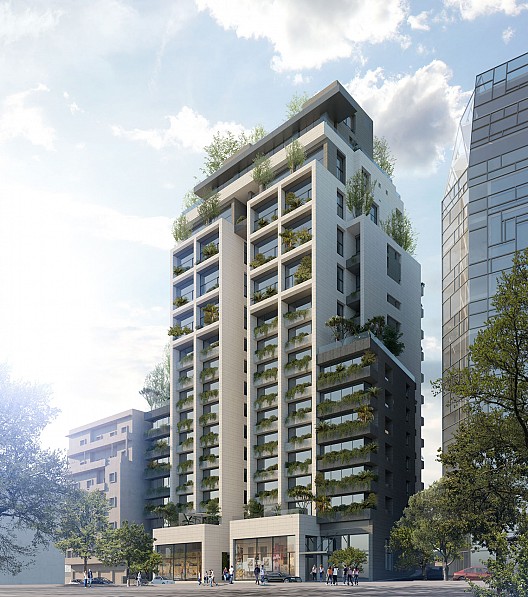
Saifi 477, mixed use tower in Beirut, close to the harbor

At the time of this apocalyptic accident, Mohamad Arayssi and his practice were about to hand over the Saifi 477 project, a 17-floor mixed-use tower, built at the edge of a traditional neighborhood just 900m from the explosion site. The building was heavily damaged, not a single aluminum glass frame remained, and the handover was set back for another year and a half. “Everyone is determined to refinish this project. Not only because we have an obligation to the buyers and the developer, but also as a sign that Beirut will rebuild. We will rebuild.” 

From an architect’s point of view, “I hope that the 4th of August will bring forward a more mature approach to property development in Beirut, in terms of being more mindful of the long-term consequences of what we construct, balancing market supply and demand, and creating more resilient, ecologically and economically sustainable and human-scale buildings.”


                                                                            We are all connected, even when separated by great distances 


As we face not one but two global crises—the COVID-19 pandemic and climate change— Mohamad Arayssi is already thinking ahead and speaks passionately about the need to create better cities for the future. “Projects to be used in ten years are being planned today. I believe there is a definitive responsibility that lands in the hands and on the sketchpads of architects and planners, in making urban environments, the cities and buildings around the world, more responsible, more ecological, and more humble.”

The fact that architects and designers ought to reassess our cities’ infrastructure needs to understand not only how they deliver value today, but what citizens will consider value-adding in the future, came up many times in our conversation. After an anxious year of quarantine, self-isolation, and social distancing, Mohamad Arayssi believes that “a more humanistic approach to architecture and urban planning is impending. Creating healthy environments that foster people’s physical and mental well-being, while strengthening human interaction and the bonds of the community, will become necessary qualities for the success of every new project.”

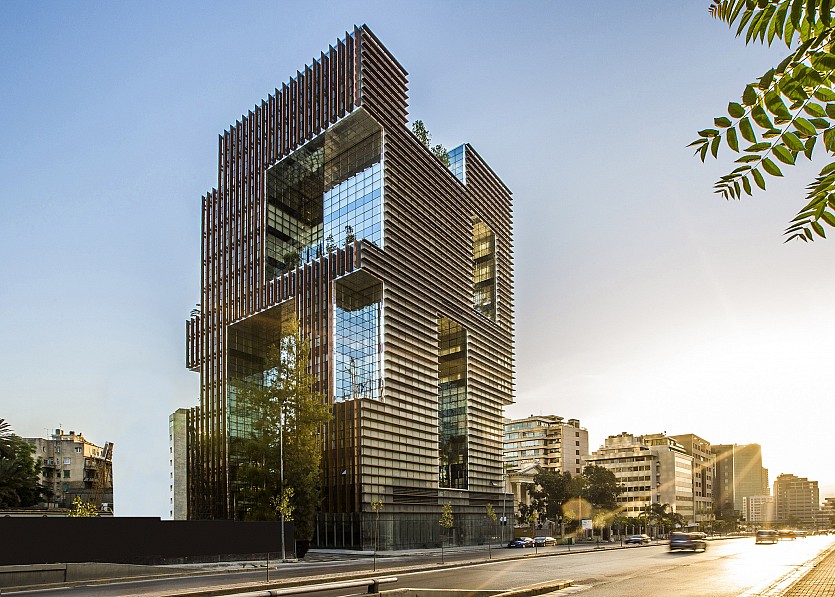
“Le Bureau” office tower built in Beirut / Achrafieh

Each of  Arayssi’s projects, although completely different from the other in regard to its physical manifestation, represents these concerns. “Le Bureau” office tower built in Achrafieh, Beirut, quickly became a market reference point that “challenged the stereotypical office building and introduced a novel model by integrating multi-level gardens within its volume”.

The simplicity with which it maximizes its orientation for natural light without overheating and glare, the richness of the floor plates (allowing multiple corner offices but also extending further the perimetrical glazing and therefore creating deeper spaces), the way one perceives it scale-wise from a distance, are all tactical design interventions with a big impact both for the people using the building but also for those who experience it from the outside. “This dialogue is really representative of the discussion that we keep having when we are tackling different architecture projects.” 

Having worked as a professional architect for almost 25 years, there is a definite maturity and swiftness in the way that Mohamad Arayssi approaches his projects. “This is not to say that there isn’t still a certain sense of innocence every time we start working on a new building; in a manner of exploring different approaches to the design situation presented, of not yet knowing how these ideas will translate into a physical building product. Certain aspects of the work are much more immediate in terms of technicalities, but the thinking process is always the same; it still takes time, patience, investigation, sketching, big picture thinking, then delving down to the tiniest detail.”


When asked what qualities define a visionary, Arayssi replies with passion and a focus on keeping all that is necessary “Humility, Sensitivity, Simplicity, Accountability, Knowledge.”


Mohamad Arayssi during the interview, Paris, 2021


Mohamad Arayssi is currently working alongside GUTMANN Lebanon for the rebuilding of the Saifi 477 tower in Beirut, using Orama Minimal Frames.

#1 George Tsimpikos, Orama Greece


“Visionaries are the ones who realize their childhood dreams”


George Tsimpikos is the co-founder and Managing Director or, as he would rather be referred to, the team principal of Orama Minimal Frames. Over this post, he gives us an insight into his world and the minimal frame business, the company vision, the people he enjoys working with and the international network the company has developed.


How it all started


In the midst of the Greek financial crisis, as the aluminum frame trading and installation business George and his brother had inherited contracted, they began thinking about the potential future. The new business venture was named after the Greek word for Vision (=όραμα) and Orama Minimal Frames was born in 2014 as a partnership with EXALCO, a major extrusion unit, with a mission to “develop a complete range of state-of-the-art  window systems that maintains the architects’ design intent –no matter how extreme or ambitious”. 


Orama’s Headquarters in Loutraki

Outside of Greece, the first countries Orama exported to was Belgium and Luxembourg. “We started small, but we dreamt big” and gradually the Middle East, Australia, Italy and the US were added as new export markets. Today, almost 10 years since its founding, Orama Minimal Frames is a Greek brand with an increasingly international presence in China, Indonesia, the Philippines and soon throughout Asia, with the support of a network of “trusted partners who value the European identity of the products, their outstanding quality and flawless appearance”. 

George’s respect for his team and partners is evident. “Our greatest success and most valuable asset is our people; first and foremost all our company employees, from the technicians, the administrative staff and the account managers, to the sales team headed by my dear colleague Francis Flamant, and second Orama’s network of partners, which extends to over 35 countries. We all share the same passion for the job and a desire to overcome challenges”.


Architecture has always been driven by human needs


The need for shelter, security and sanctuary. Today, it is also about the need for flexibility, environmental considerations, personalization, innovative materials and technologies. “As a company specialising in the design of minimal frame solutions, we relish the challenge of bringing our expertise to the table and working alongside our partners to develop the products that will bring the architects vision to light”.

MADE EXPO, Milan 2019

Architects are unique in their way of thinking; they have to be savvy as engineers and businessmen but they are also deeply engaged as designers and artists, and George Tsimpikos knows this all too well. “This brilliant balancing act of analytic and artistic creativity has inspired the design of our products and influenced the way we collaborate with the architects”.

Every project starts with a clean slate. Orama Minimal Frames designs and develops tailor-made window systems, working closely with its partners-manufacturers and offering know-how and support throughout the project. “Our expertise lies in developing custom solutions for our clients. If someone told us they needed a pivot window 5 meters high, we would sit down together with our partners and find a way to make it happen. This is what we love about our profession and what we thrive on”. The Royal Atlantis Resort & Residences in Dubai is the largest project of Orama with almost 35,000sqm of minimal window panels “for which we offered our expertise and raw materials”.


Royal Atlantis By KPF


Just before the Covid-19 pandemic brought everything to a standstill, George Tsimpikos used his travelling to oversee a project as an opportunity to experience and draw inspiration from the work of modern-day architects who lead the industry with their brilliant building design. “One of our projects that really made an impression on me is Álvaro Siza’s newest housing condominium developed in partnership with the Portuguese office COR Arquitectos and built in Gallarate, in the Italian region of Lombardy”. The complex recreates two local typologies – the Italian courtyard and the secluded villa – in a set of volumes that hints at the shapes of another one of Siza’s masterpieces, the Porto School of Architecture. “I have also seen some very interesting examples of residential architecture in Santa Barbara, Malibu and Palo Alto, in California. Regardless of whether the architect is famous or not, there are indeed modern buildings that have a truly sophisticated personality”.

Pool House by Arplus / Ar(+)

A well-designed building, whether residential or commercial, is one that abstains from distractions in favor of mindful connection to place. “Looking at some recent examples of housing built into the ground, I sense that connectivity has maybe reached a saturation point for many, and we are now in search of spaces that maximize our experience of nature”. 

Climate change is the fundamental design problem of our time. Countries such as Belgium, the Netherlands or Luxembourg with generally mild winds, are gradually adopting new vertical glazing regulations in the wake of extreme weather conditions that until recently were characteristic of regions surrounding the Mediterranean sea or Asia. “Technical challenges like improving window statics or water drainage, while at the same time maintaining extremely narrow window frames and allowing for more glazing area, are open-ended problems that require creative solutions and rigorous technical precision”.


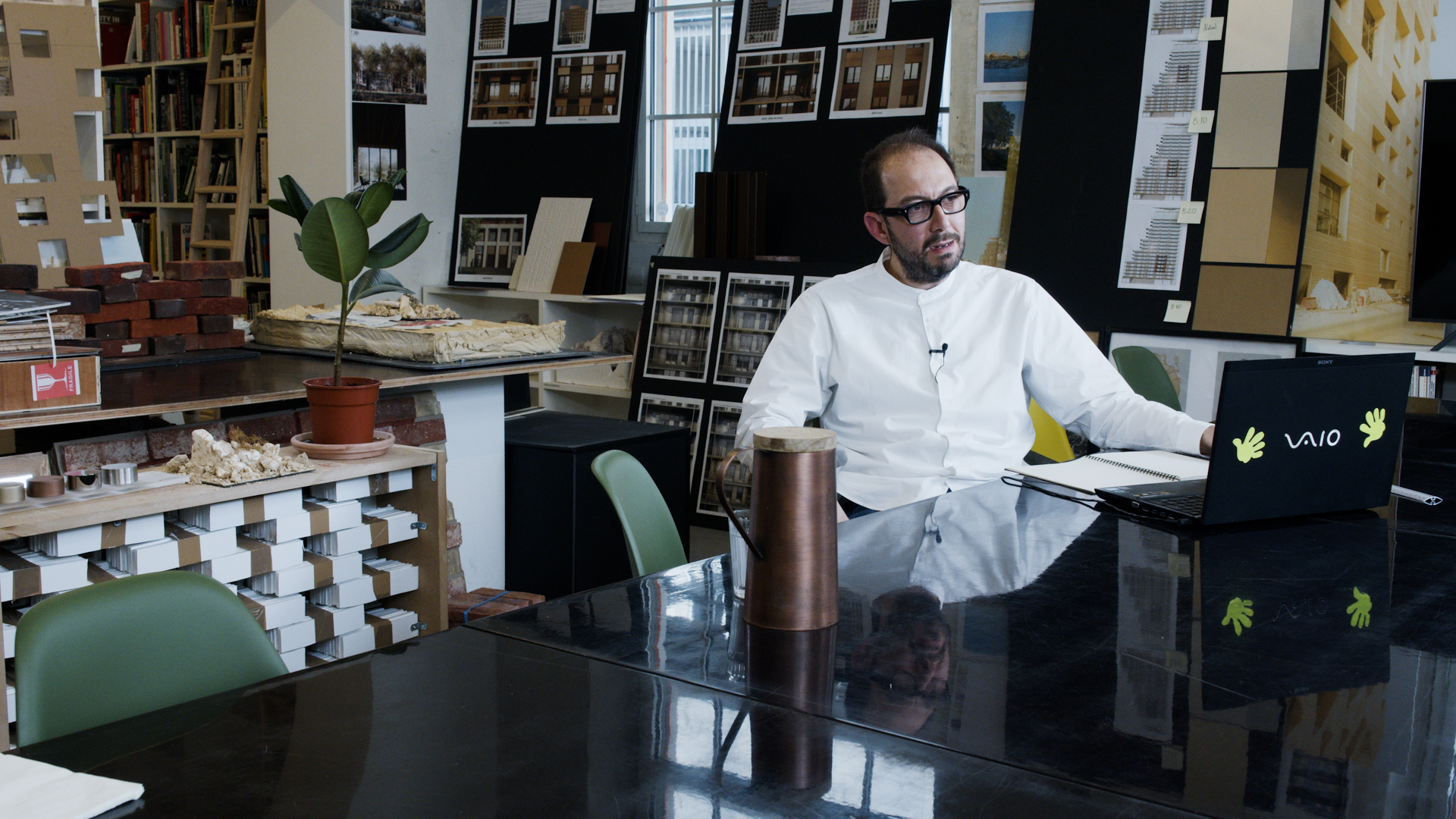
Do something new every day


Tackling technical challenges, brainstorming for new products, collaborating with partners or analysing commercial prospects for Orama, no day is the same in the life of George Tsimpikos. “Throughout my career I have grown by accepting the challenges that are placed before me. I always look forward to spending my day working with other people, solving problems, finding ways to create something that is new and exciting”.

Orama’s Headquarters in Loutraki

The recent Covid-19 pandemic has created a ‘hybrid’ way of working that has greatly impacted the way people communicate, connect and create. “Sitting around the table to discuss a project is such an important part of my work philosophy. Having to give this up and rely only on electronic communications to do business has proved a great challenge for me”. 


Creating life balance to achieve success


According to George Tsimpikos, having a clear understanding of what we want to achieve and striking the right balance between the time spent with family and loved ones and the time we spend working, is a good starting point for achieving business and personal success. “It is about having all forces in equilibrium, about living with purpose and loving what you do… It is just so important. As my friend and colleague Francis Flamant says and I quote, it is very essential to have fun at your job, to love what you do for a living and have fun doing it”.

Moving his home and the headquarters of Orama to Loutraki, a coastal town on the Corinthian Gulf just 78km from Athens, and a popular holiday resort during the 60s and 70s, might have seemed an unorthodox business decision a few years ago, but according to George the move has been beneficial for many reasons. “Part of the draw of coming here is that you are so much closer to nature; you go out for lunch and you can just smell the sea; everyone comes back to the office refreshed and ready to go”.


Visionaries are the ones who realize their childhood dreams


“The people who have a clear idea of how the future should look; the ones who never settle for ‘good enough’, who are resilient and resolute, and never give up; who embrace creativity and value collaboration; who see the world differently and strive to leave a legacy for the generations to come. Those people are the visionaries”.